No one wants surprises when they open the cottage in the spring. The two most common unexpected troubles are messes from uninvited rodents or frozen pipe leaks. Here’s a complete guide to closing your cottage for the winter.
How to prevent rodents in your cottage in winter
Each fall, these animals are looking for a nice dry shelter to snuggle into for the winter. If your cottage is impenetrable to these pests, they simply give up and move on to a neighbouring building. But if they can find a crack or crevice to squeeze through, the rodents move in. Once inside, they can nest in mattresses, leave droppings in cupboards or even chew on wires. Who wants to start the cottage season fixing this?
Why keeping mice out is so important
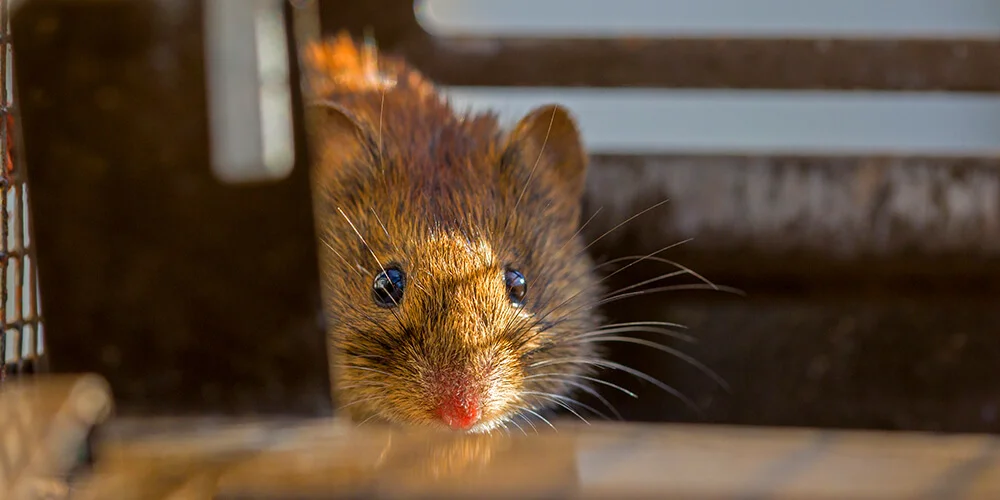
A perfect winter haven for mice is one where there’s dry shelter, warmth, nesting materials and, of course, food and water. Mice do not hibernate; rather, they are active all winter. Outdoor-living mice pause breeding from fall until spring. But inside your cottage, because their basic survival needs are easily met, their breeding cycle does not stop for winter. Female mice can produce a new litter of 5-10 pups every month all winter long. And newborn mice become sexually mature to breed within 6 weeks. You need to barricade them from finding their way in.
How to close your cottage for winter: the complete pest-proof checklist
Essentially, you need to seal any cracks and crevices outside your cottage. A little mouse can squeeze through an opening as small as 6 mm (1/4”). A full-sized adult mouse can easily fit in a hole the size of a dime. If their skull can fit through a gap, the rest of their body can follow, because mice have a highly flexible skeleton.
What you need to do:
- Plug those gaps. Bigger holes can be patched with stainless steel wool. If using expanding foam, you’ll need to seal this off with silicone caulking since mice can chew through the foam.
- Inspect the caulking around windows and door frames and replace it if necessary.
- Patch any loose mortar and weather stripping.
- Check exterior door sweeps and install new ones so there is no gap between the floor and the door.
- Repair damaged screens on doors and windows.
- Check for potential openings where water or gas pipes, cables, air conditioning conduits, etc., enter the cottage. Freshen the caulk of each as needed.
- Place a fine metal mesh on intake or exhaust vents (gas, dryer, HVAC, oven range hood, etc.).
- Wherever these vents exit the cottage, check caulking to ensure a tight seal to the building.
- Make sure that you have a functioning chimney cap to keep animals from entering from above.
- Close the damper vent of any wood stoves and fireplaces.
- Keep an eye out for gaps in the siding, soffits and fascia. Fix as needed.
- Prune any branches that are brushing against your building, as mice are good climbers and can climb up shrubbery that touches your cottage.
- Keep grass cut and vegetation clear along the foundation. Because mice are instinctively terrified of being exposed to predators, they don’t like to cross wide, open spaces.
Note: Most of these same preventative steps will also keep insects from moving in. For more information on overwintering insects.

What attracts rodents
In the pantry, be aware that mice can chew through all your cardboard and paper packaging (cereal, crackers, flour, etc.). You need to bring these items home or repackage them in glass, plastic or metal containers that seal. Mice also need a water source, so check all your out-of-sight plumbing pipes for leakage and cover any standing water (i.e., open drains or sump).
That stack of newspapers and cardboard that you have collected for recycling is all the nesting material they need. Recycle it before winter.
Mice like to hide, so any clutter in a home, basement or shed offers great hiding spots. Outside, store firewood away from the house. Regarding garages, outbuildings and garden sheds, remove any grass seed, pet food or bird food, any leftover compost, organic fertilizer and garbage.
How to make your house unwelcoming for rodents
Irritate mice by using sonic repellents on all floors. Use MOUSE OUT Rodent Sonic-Repel. These do work in deterring mice. Check the square foot coverage on the label and use enough of them to cover your indoor area, or at least place them at potential points of entry. Learn how to place them properly to achieve maximum efficiency.
Mice don’t like these irritating frequencies, so they move on. If you shut off the electricity for the winter, there are battery-operated sonic repellents like MOUSE OUT Rodent Sonic-Repel Max.
Even if you’re satisfied that you have inspected your cottage and sealed all potential openings, you should still place MOUSE OUT Smart Mouse Traps in areas of potential entry, in kitchens, basements and pantries. Also put them in your outbuildings and crawl spaces. This is just for insurance should you have missed something.
For the same reason, you can also use poison bait stations, such as MOUSE OUT Bait Stations. Follow directions on the label. The poison is enclosed in a pet-proof bait station and is safe to be left there all winter. Alternatively, you can use effective low-risk, non-toxic rodenticide MOUSE OUT Rat & Mouse Killer Pellets, which are simply ground corn cobs and are not poisonous to any pet but rodents.

How to close your cottage for the season
Here is the complete checklist of things to do before leaving, to ensure you find your chalet in perfect condition the following spring.
1. Remove food and beverages
- Decommission the refrigerator and freezer and take home all perishable food. Leave the fridge door open to avoid mould proliferation and a foul smell in the spring.
- Non-perishables like cereal or baking supplies should go, as mice are known for chewing through boxes of dry goods, unless you have transitioned them into sealed glass, plastic or metal containers.
- Pack up anything that has liquid inside such as soups, canned vegetables and all manner of drinks (including wines). The liquid inside will freeze and expand and can rupture the package. Some liquids are unaffected, like syrup, olive oil and soya sauce.
- Many liquid cleaners, soaps, shampoos, paints and aerosols will succumb to freezing temperatures that could make everything inside separate, congeal and render the ingredients different and maybe unusable. Best to pack them up as well.
- Wipe off counters, tables, stove tops and pantries to get rid of any crumbs and sweep up floors.
2. Shut off the water
Even if you leave the electricity on, most cottage owners prefer to drain water in case it freezes. Water left in pipes expands when it freezes.
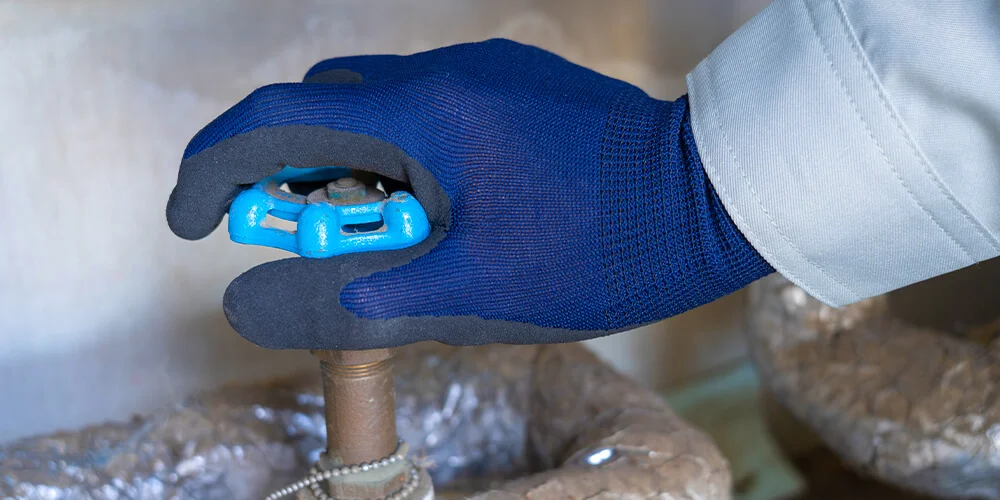
- Shut off your main water supply and open both the highest elevation faucet and the basement drain valve.
- Empty both your cold-water and your hot-water tanks (trip the hydro circuit breaker for the tanks first).
- Empty your toilet tanks and bowls by flushing until almost empty. Sponge up any leftover water.
- At this point, the only water left is in the P-traps, that is the curved, U-shaped sections of pipe located directly beneath sinks, bathtubs, showers and toilets that hold standing water to block foul sewer gases from entering a home. The water left in these traps needs to be removed or displaced with plumbing antifreeze so the traps don’t freeze and the pipes don’t burst.
- Pour a cup of plumbing anti-freeze to replace that water in every drain trap: sinks, showers, bathtubs, toilets and floor drains. Some cottagers use shop vacs to suck the water out of the traps instead.
- Don’t forget about appliances that use water like the dishwasher and laundry machines. Follow instruction manuals on how to drain them. Many can be winterized by simply adding plumbing antifreeze and running a short drain cycle. If you have an ice-making/water-dispensing fridge, check the manual on how to drain it.
- Outdoor taps: with the water supply shut off, open the outdoor taps to drain any residual water. Remember to close them the following spring before turning the water supply back on.
3. Heating and electricity: what should we turn off?
- If you leave the power on for the winter, unplug all unnecessary electrical devices and appliances. Leaving the power on allows for thermostats to be lowered to keep the house above freezing and enables power for basement sump pumps if needed to drain any water that finds its way in.
- If you shut off the electricity, it’s still a good idea to unplug appliances, because when you turn the power back on the following spring, you aren’t overloading the system with a full household load.
- If your cottage is in an area with a low water table and you shut the power off, you should consider a battery backup sump pump system with a deep cycle marine battery.
4. Propane
- Disconnect portable propane tanks from BBQs and store in a garage or garden shed.
- If you have a large stationary tank and do not need propane to heat the cottage, you should shut off the main valve at the tank for the winter.
Other tasks that should not be overlooked
- Clean out eavestroughs so water flows freely down the downspouts to avoid ice buildup during the winter.
- Store away or cover all patio and deck furniture, as well as water sports equipment.
- Prune any tree branches that are close to the cottage in case heavy snow or freezing rain becomes too much for the branches.
- You might consider storing bedding and linen items in sealed bins.
Last thing before you leave
Do a final inspection of all buildings. Take out garbage and recycling. Lock up all buildings.
And finally… take a moment to recall all the good memories from this last season.
Closing down the cottage is always a poignant moment, marking the end of one chapter and the official start of the countdown to the next. With all the cottage closing work done, consider that these chores will pave the way for a smooth, stress-free return when the spring rolls back around.