

Many insects like to hide in our houses to get through the winter months. Some multiply very quickly. Others can wreak considerable havoc and can quickly turn your life into a nightmare.
It is important to be vigilant to avoid unpleasant surprises. Here are some of the insects that won't hesitate to come in for the winter.
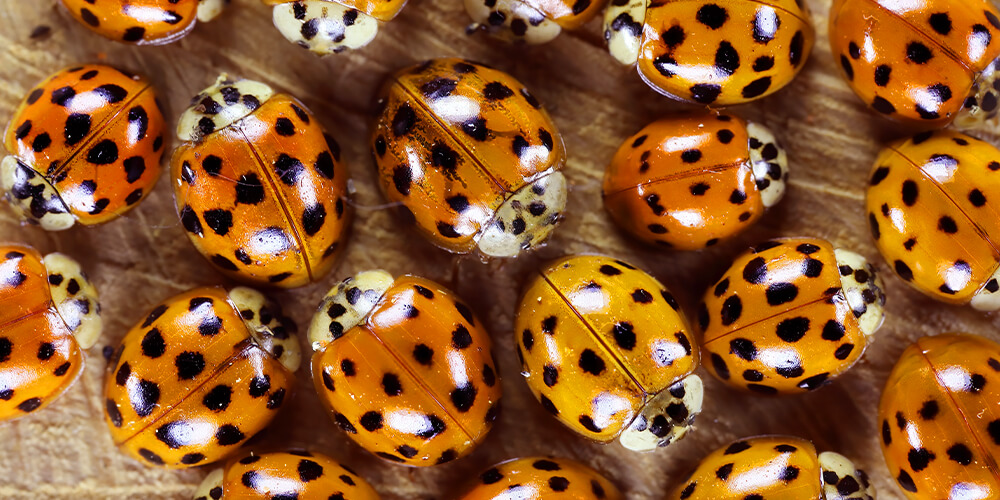
What attracts ladybugs inside a house?
The Asian lady beetle is an exotic species native to China, Japan and Siberia that was intentionally imported to the United States in 1988 for the biological control of aphids. As it quickly adapted to its new environment and reproduces fast, it has rapidly outcompeted native species, becoming a difficult problem to control.
Unlike our native ladybug, the Asian lady beetle does not survive the Canadian winter, so it tries by all means to enter our homes for the cold season. Once sheltered and warm, it will do as its cousin does: it will go dormant.
Although its proliferation can threaten our ecosystems, the Asian lady beetle poses no danger to us or to the house, but its presence in large numbers quickly becomes a nuisance.
Contrary to what you might think given the number found in homes, the Asian lady beetle will not reproduce indoors during the winter. Instead, it waits until spring to resume its activities.
While it may take some time and you should expect to experience the same infestation year after year, getting rid of them is not difficult. Certain tips can also help limit the number of Asian lady beetles that enter the house in the fall.
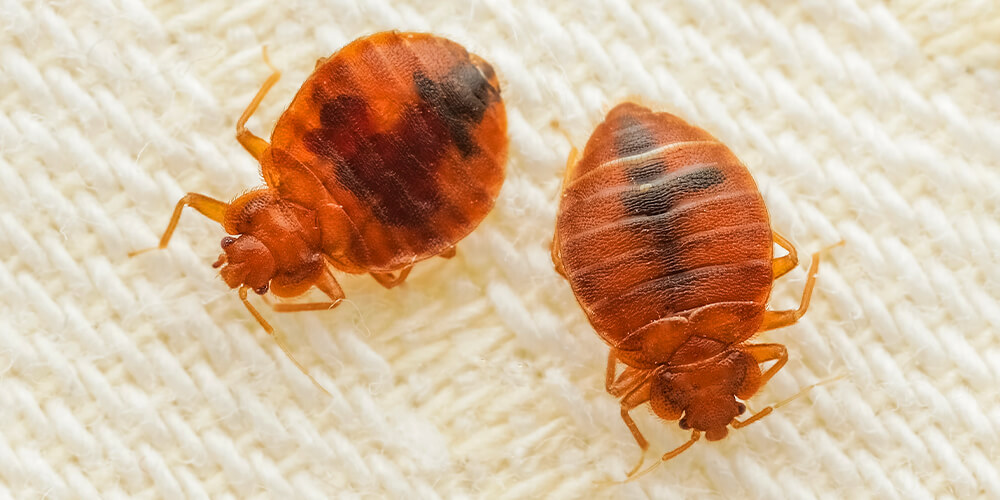
What is the main cause of bed bugs?
Over the past few decades, increased travel has contributed to the proliferation of bed bugs. These skilled travellers hide in suitcases. Becoming increasingly difficult to eliminate, they thrive not only in hotels, but also in libraries and public transportation, movie theaters, thrift stores, and more.
Those little insects are brownish in colour and feed on the blood of both animals and humans. The key to controlling them is to remain vigilant when travelling.
Be aware that bed bugs are now resistant to several chemicals. Make sure to use a product specifically designed to control them.
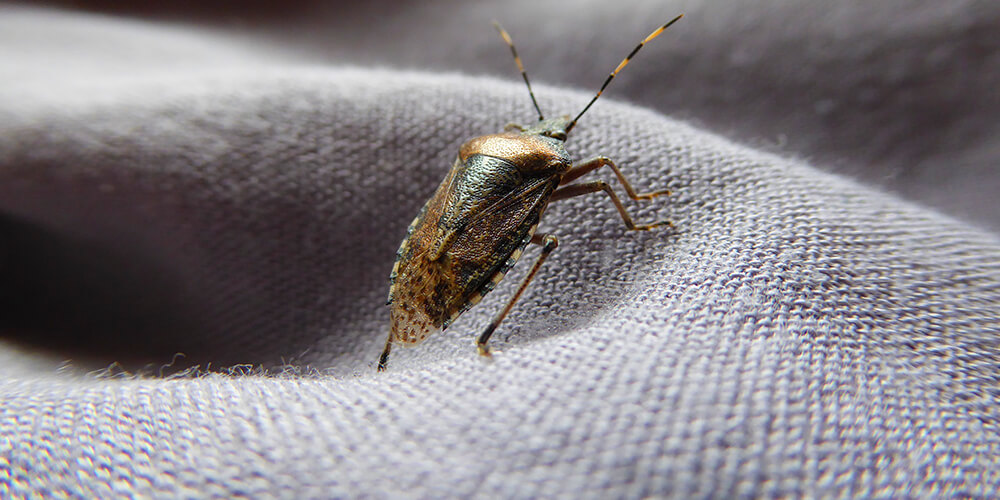
Brown marmorated stink bugs
Originally from East Asia, this insect has made its appearance in Canada a few years back and it keeps gaining ground in urban areas. In the fall, brown marmorated stink bugs look for a warm place to hide during the winter. If there are cracks in your foundations, they won't hesitate to use them to get in and hide in the walls or crawl space of your home.
Although brown marmorated stink bugs are harmless to humans, they can become a major problem because of their foul smell.
What's eating my indoor plants’ leaves?
When you take outdoor plants indoors for the winter, some insect varieties may come in with them.
It is essential to pay close attention to your plants during this process. Use a jet of water to dislodge insects from the leaves, soak the potting soil to kill those that are hiding there, and treat all your plants with insecticidal soap, without exception. Follow the same procedure when you acquire a new plant, even if it comes from a florist or a friend's house.
Despite all your precautions, some insects may remain in the potting soil as eggs or larvae, which explains why it can take some time for them to emerge. This is why we sometimes suddenly see small whiteflies flying over our plants in the middle of winter.
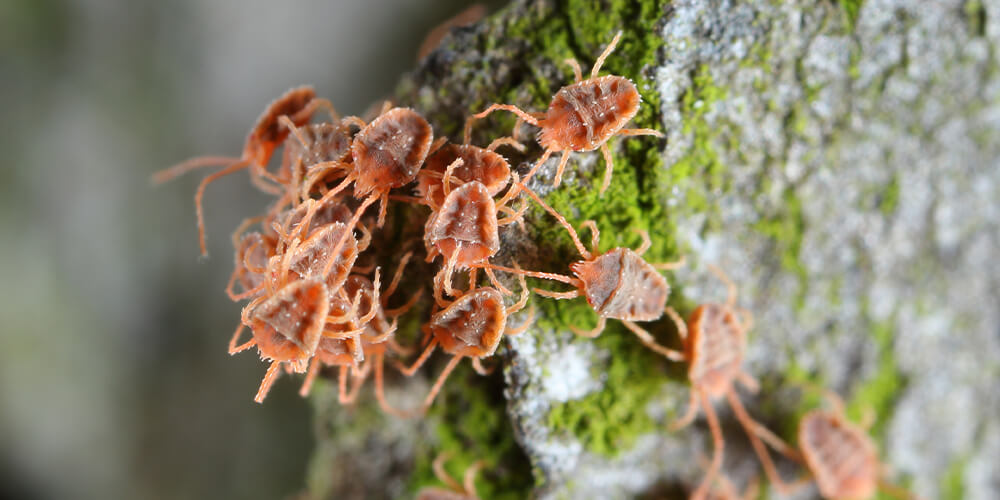
Among these insects, sometimes tiny or barely noticeable, are aphids, spider mites (small red spiders), whiteflies, scale insects, mealybugs, thrips and fungus gnats.
Don't hesitate to use insecticidal soap when you notice the presence of insects.
Should I be worried if I see a termite in my house?
Termites are the result of the evolution of an insect called the wood-boring cockroach, which lived nearly 200 million years ago. This makes them the oldest known social insects. Because yes, unfortunately, these pests live in colonies.
While there are more than 3,000 species of termites worldwide, Canada is home to only a few. The most formidable is the yellow-legged termite, found primarily in Ontario.
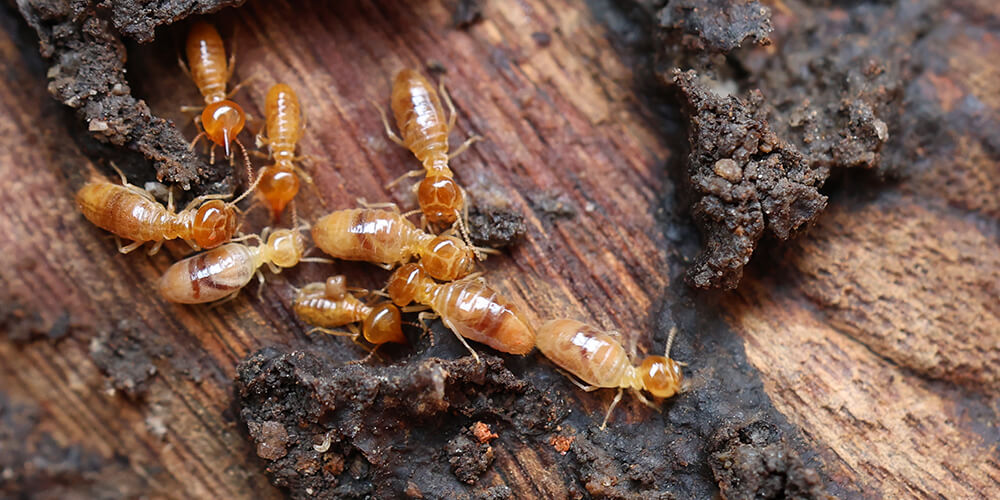
Termites usually live in colonies. In the winter, they dig the ground or come indoors to survive. Although less active during the colder months, termites will still cause problems in the spring. They feed primarily on cellulose, a major component of wood. In groups, these pests can wreak considerable havoc, destroying many wooden products such as house frames.
Remember that termites love a damp environment. Make sure there is no water leaking from the roof or pipes, for example. It's a good idea to call a professional when you notice their presence.
