
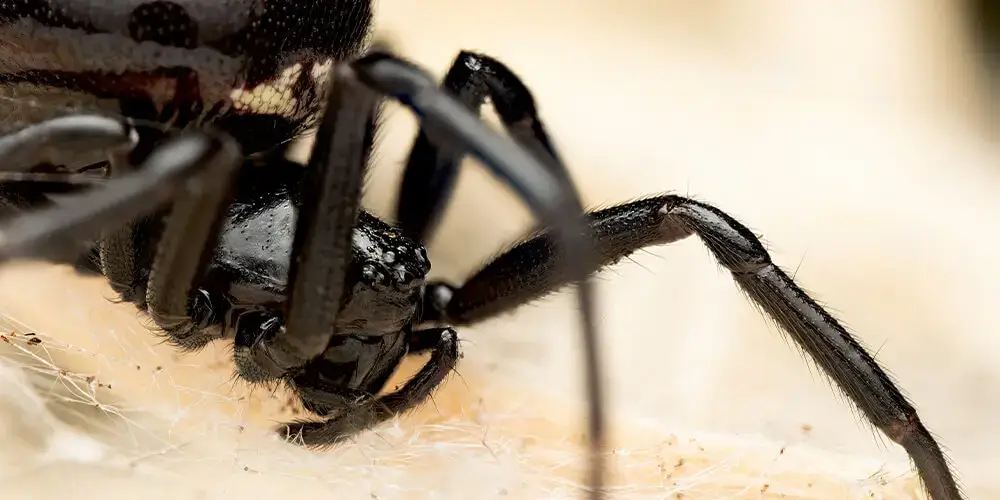
Arachnophobia is a phobia characterized by an intense and irrational fear of spiders. The name is composed of two words: arachno, which means spider in Greek, and phobia, from the Greek phobos. The word arachnophobia therefore literally means the fear of spiders.
Arachnophobia is one of the most common phobias worldwide, affecting millions of people.
What are the symptoms of arachnophobia?

This fear can manifest itself at the sight of a spider, an image or even, in some cases, the fear of encountering one. The fact or idea of exposing oneself provokes an immediate anxious response.
It causes strong physical and emotional reactions:
- Anxiety
- Rapid heart rate
- Sweating
- Feeling like running away
- Chest tightness
- Dizziness
- Difficulty breathing
- Nausea
- Fainting
- Upset stomach
- Panic attack
- Etc.
This irrational but uncontrollable fear causes people with arachnophobia to avoid certain situations or places for fear of encountering spiders. The phobia can thus interfere with daily activities and limit social interactions.
Although most spiders are harmless to humans, the fear remains very real for those who suffer from it. Psychological support can help overcome, or at least control, this phobia through cognitive behavioural therapy and gradual exposure.
Why am I arachnophobic?
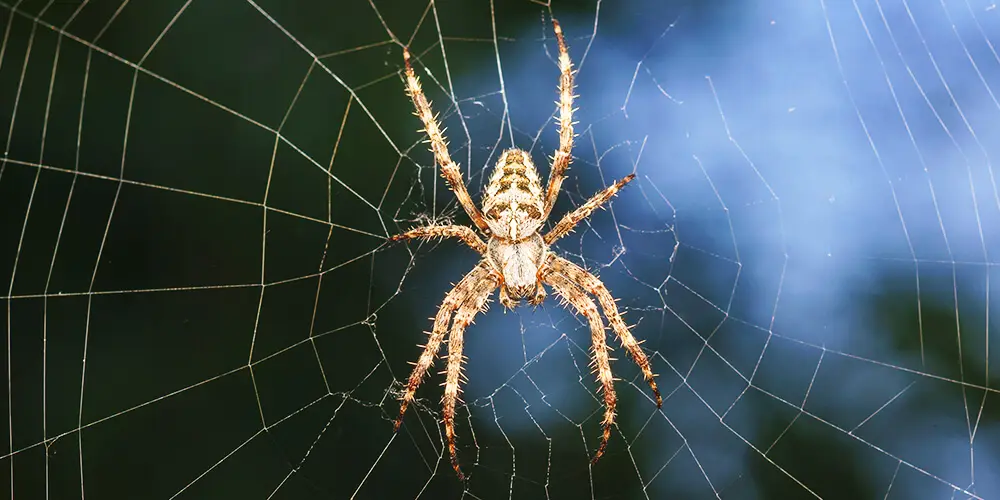
Where exactly does this uncontrollable fear of spiders come from? This phobia, like other irrational fears and anxiety disorders, can be explained by a combination of factors. It is indeed believed to be a combination of biological predispositions, cultural influences and personal experiences.
The evolutionary origin
Many scientists believe that the fear of spiders may be innate, linked to a biological predisposition. It can be traced back to our ancestors and the dangers of the spiders they were exposed to (poisonous spiders, for example). Those who were more wary and cautious of these creatures were more likely to survive and pass on their genes.
Cultural factors that lead to arachnophobia
Cultural factors include education or the transmission of beliefs by those around you, as well as the negative portrayal of spiders in movies and books. While this fear may be unfounded in a country where spiders are mostly harmless, this is not always the case everywhere, depending on where you are.
In some parts of the world, some spiders are actually dangerous, so the fear is reinforced through stories and media reports.
What role do personal experiences play in the fear of spiders?
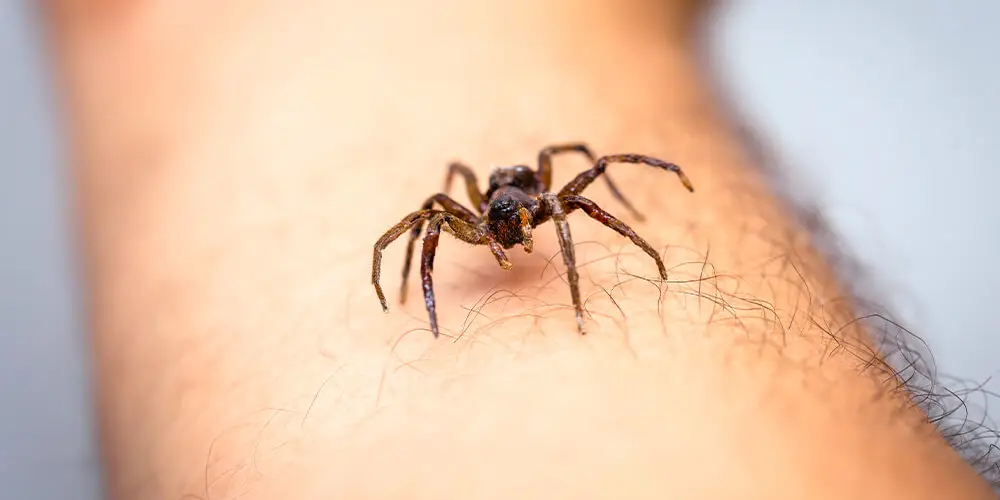
Many people develop a spider phobia as a result of a negative experience. For example, a bite or traumatic exposure can also trigger or reinforce this fear. Seeing a close relation panic at the sight of a spider can also trigger a learned phobia.
What are the predispositions that lead to the development of a phobia?
Individual predispositions can also play a role. For example, people who are naturally more anxious, or more sensitive to potentially dangerous stimuli, are more likely to develop phobias.
Is arachnophobia an illness?

Arachnophobia is not an illness in itself, but rather an anxiety disorder. It can be compared to other types of specific phobias, such as claustrophobia (fear of enclosed spaces), cynophobia (fear of dogs) and hematophobia (fear of blood), or to certain anxiety disorders (panic disorder, generalized anxiety disorder, agoraphobia).
Very real and disabling for those who suffer from it, and sometimes also those around them, a specific phobia is triggered by a very specific stimulus or a particular situation. Due to its symptoms and the psychological and physiological mechanisms it triggers (escape, avoidance), arachnophobia is classified as an anxiety disorder.
Can you cure a phobia?
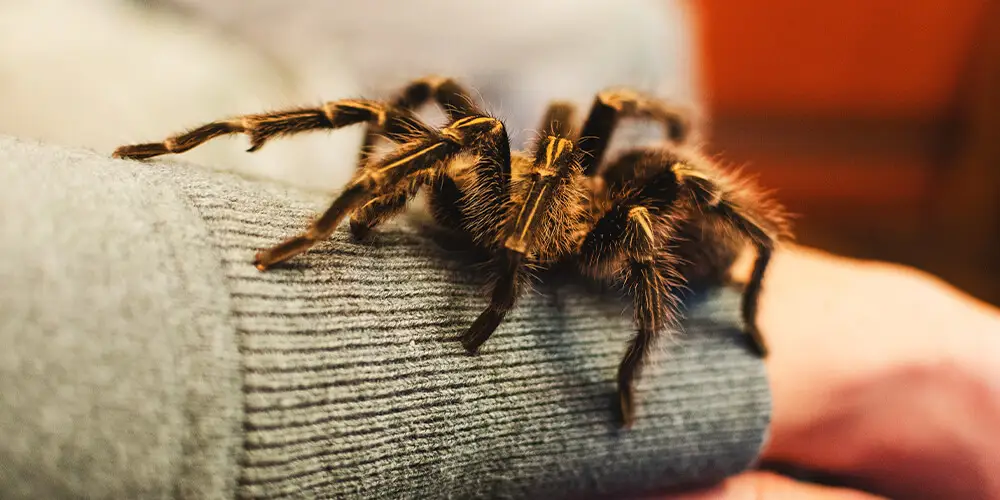
Arachnophobia, like any other phobia, is relatively easy to treat. Many people manage to reduce their fear of spiders and even overcome it completely. Analyzing the causes of the phobia and learning to recognize its symptoms is a good start.
Although you can do it alone by learning about the methods presented below, the support of a psychologist or mental health professional can facilitate the process by focusing on appropriate strategies.
The following methods are recognized for producing results:
1. Cognitive behavioural therapy
This is the most widely used method. It consists of three specific steps:
- identifying irrational thoughts
- changing these thoughts to more realistic ones
- gradually exposing yourself
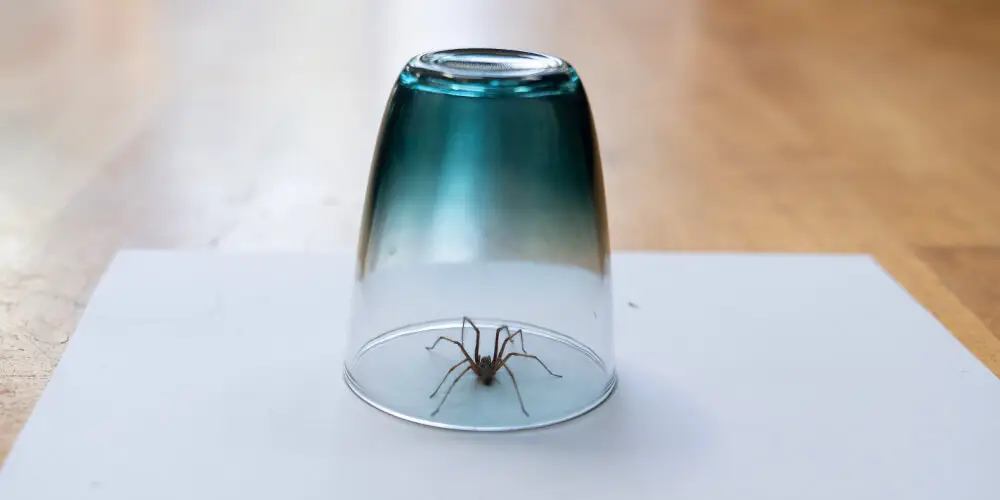
2. Exposure therapy
This approach aims to confront your fear, little by little, in a controlled and reassuring environment. It allows the brain to gradually accustom itself to the presence of spiders in order to gradually reduce the panic reaction that overwhelms you.
3. Relaxation and stress management
Learning and mastering deep breathing, meditation or mindfulness techniques can help manage the anxiety associated with the phobia.
How to get rid of a spider when you have arachnophobia?

The best way to get rid of a spider without approaching it is to vacuum it up. If you're worried about it surviving, Wilson has an effective and permanent solution.
