

Mice may be very good at keeping a low profile… but they almost always leave signs of their presence behind. As fall and winter approach, these little rodents look for a warm, dry place where food is readily available. Your home can quickly become an ideal refuge—especially if it has small cracks or gaps that allow them to sneak inside.
Spotting their presence early is not only key to preventing an infestation, but also helps minimize damage, prevent food contamination and preserve your peace of mind.
Here are the signs to watch for to determine whether mice have made themselves at home—as well as a list of places to inspect and steps to take to deal with a rodent problem.
1. Mice droppings
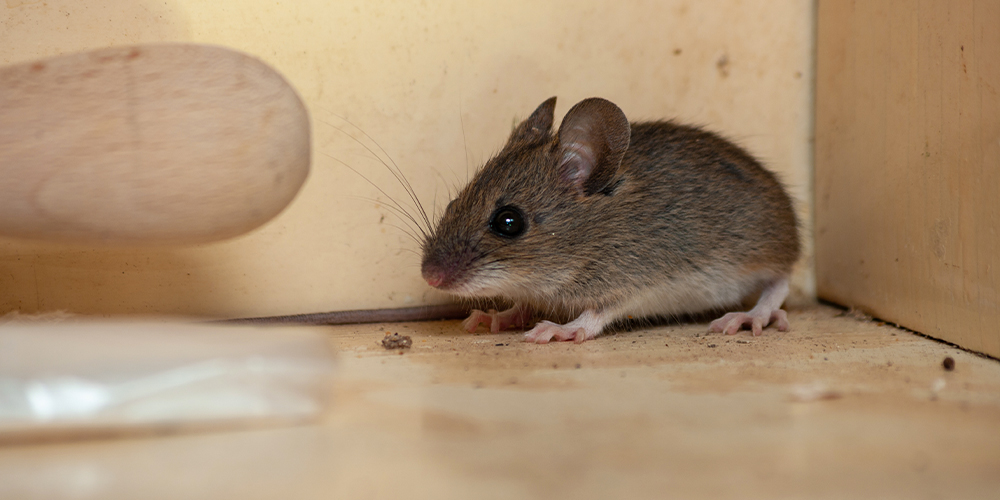
Droppings are one of the easiest signs to recognize. What do mouse droppings look like? They look like small grains of rice. Mouse droppings are generally small (3–6 mm), elongated and pointed at the ends.
Fresh droppings are usually dark in colour and often slightly shiny or moist. Over time, they become lighter, dry out and turn crumbly. The appearance of the droppings can therefore help you determine whether you are dealing with a past rodent problem or an active infestation.
You are most likely to find them:
- in kitchen cabinets and the pantry
- behind or underneath the refrigerator, stove and dishwasher
- near pet food or birdseed bags
- in less-frequented areas where mice are less likely to be disturbed (garage, attic, basement and storage areas)
- along walls, behind boxes or in rarely used drawers
Important: Never use a broom or vacuum to remove dry droppings, as the dust this can stir up poses a real health risk. Instead, wear gloves and lightly spray the area with a disinfectant before picking up the droppings with a paper towel. Seal the bag tightly and immediately dispose of it in an outdoor garbage bin. Wash your hands thoroughly afterwards.
2. Noises in the walls or ceiling, especially at night
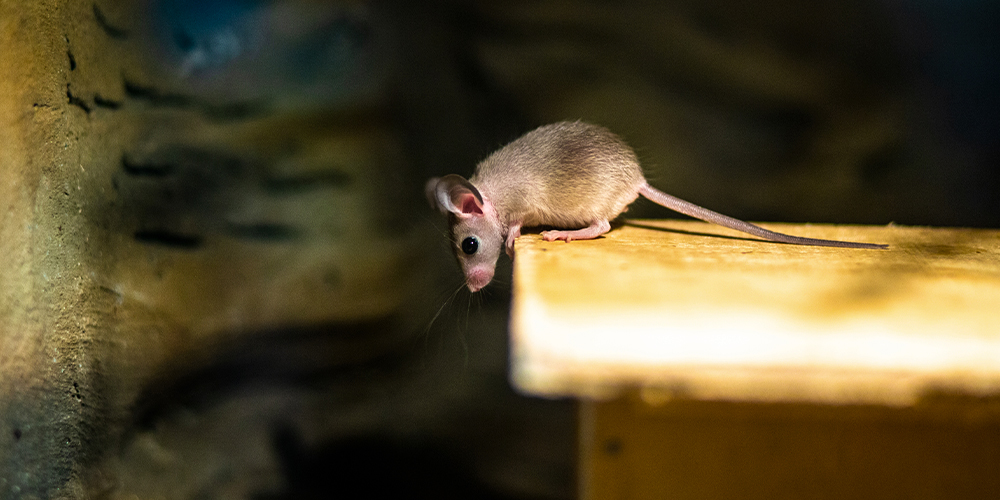
Mice are generally more active when the house is quiet. If you hear light scratching, quick little footsteps or rustling sounds in the walls, ceilings, attic or beneath the floor, there is a good chance you have rodents in your home.
These sounds will often be more noticeable:
- late in the evening
- in the middle of the night
- early in the morning
- when the noise from household appliances and the activities of the people in the home no longer masks background sounds
Good to know: An occasional suspicious noise does not necessarily confirm the presence of rodents. Ductwork, plumbing and building materials can also produce sounds (rubbing, clicking, thumping or repeated knocking), particularly when outdoor temperatures change. That said, repeated scratching in a specific area is certainly worth investigating.
3. Gnawed food packaging
Mice need to gnaw regularly to wear down their teeth, which grow continuously. As a result, they can leave tooth marks on various materials, particularly cardboard and plastic.
Since they are inevitably attracted to your food supplies, check the condition of cereal boxes, flour bags and packages (cookies, pasta, pet food, etc.) stored in the pantry. Small, irregular holes or sections that have been gnawed away can confirm their presence.
Tip: To reduce the risk of contamination, transfer dry foods into sturdy containers with airtight lids. This habit protects your food supplies from both rodents and insects, making your home less appealing to unwanted visitors.
4. Gnaw marks on materials or small objects that have been moved
In addition to food, mice may also gnaw on materials found around the house. They sometimes chew on wood, including baseboards and door frames, as well as electrical wires, which can pose a fire hazard. Rodents also have a preference for paper, cardboard, insulation and textiles—materials they can use to build their nests.
Also, keep an eye out for materials that appear to have been shredded or gathered in a secluded corner.
Mice often build their nests in quiet, hard-to-reach areas:
- behind appliances
- inside cardboard boxes stored in the basement
- in the attic
- underneath furniture
- between walls or near insulation
- in a cluttered garage or basement

5. A strange, lingering smell
A more significant infestation can produce a persistent, musky odour, sometimes similar to ammonia. This smell is generally caused by urine and may be more noticeable in enclosed spaces, such as a cupboard, pantry, basement or storage room.
If you notice a strange smell in a specific area, inspect the surrounding spaces: behind and underneath furniture, above suspended ceilings, in areas where objects are stacked, etc.
6. Greasy marks along the walls
Mice tend to follow the same paths, often travelling along walls where they feel safer. As they repeatedly use the same routes, they can leave dark or greasy marks on baseboards, in corners and in tighter spaces, such as behind furniture or appliances.
These marks, sometimes called rub marks, are more likely to appear when there are several rodents or when they have been present for some time.
7. You spot a mouse… or your pet starts acting strangely
Spotting a mouse, even just once, is a reason to stay vigilant. It may have wandered in by chance, but it’s also possible that it has company or has already found a place to settle in.
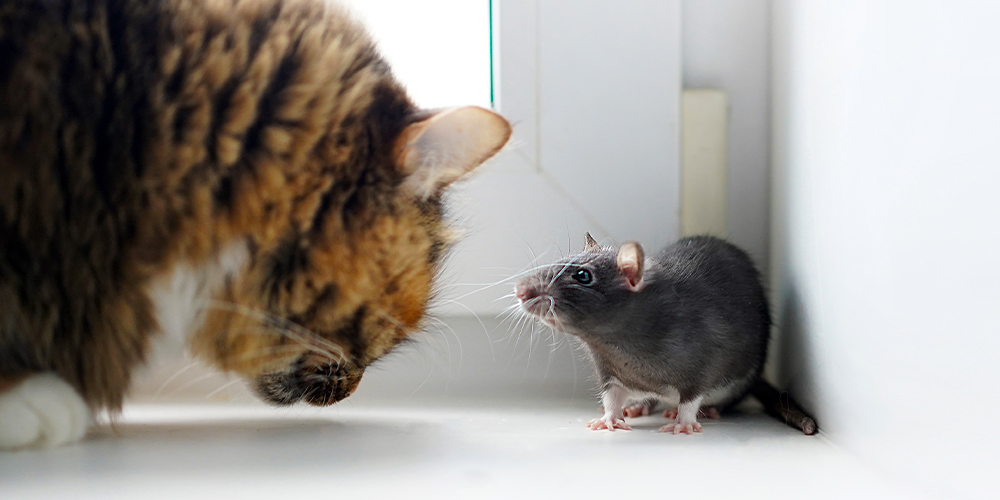
Cats and dogs can also give you a clue. A pet that stares intently at a wall, scratches near a piece of furniture, sniffs underneath appliances or seems particularly focused on a specific area may have detected activity you haven’t noticed.
How do mice get into the house?
A mouse can squeeze through a surprisingly small opening. Walk around the outside of your home and pay particular attention to the following areas:
- cracks in the foundation
- gaps beneath garage doors or exterior doors
- openings around pipes, cables and ducts
- damaged screens or grilles
- vents
- seals around windows
- areas near the roof, soffits or exterior siding
Inside your home, look for signs in the spaces under sinks, near plumbing and behind appliances. These areas are typically warm, dark and rarely disturbed.
What to do if you have mice in your house
The best approach combines removing food sources, eliminating potential hiding places, blocking entry points and actively controlling rodents. In another article, we explain simple steps you can take to prevent mice from getting inside.
If you spot signs of rodents, you can help prevent an infestation by acting quickly. Use a mouse control solution, such as Wilson traps and rodenticides. Place them where you have noticed signs of activity, following the instructions on the package for maximum effectiveness.
Spotting the early signs and taking action promptly can help prevent a small problem from turning into a well-established infestation.
