

- Why are humans so afraid of bats?
- Are bats attracted to human blood?
- Are bats good or bad to have around?
- What diseases can bats give you?
- What to do if a bat touches you at night?
- What kind of bats are in Canada?
- Are bats on the decline?
- Why don't I see bats anymore?
- Is it good to have bats in your yard?
As Halloween approaches, you are likely to see lots of bats, although they’ll be the fake ones, meant to symbolize creepy and dangerous creatures.
Reinforced by scary movies, bats are featured in almost every haunted house. The bat fright is highlighted at Halloween when we trot out everything that ever scared us as children: ghosts, goblins, zombies, witches, vampires, hatchet murderers… and bats.
Why are bats part of this?
Why are humans so afraid of bats?
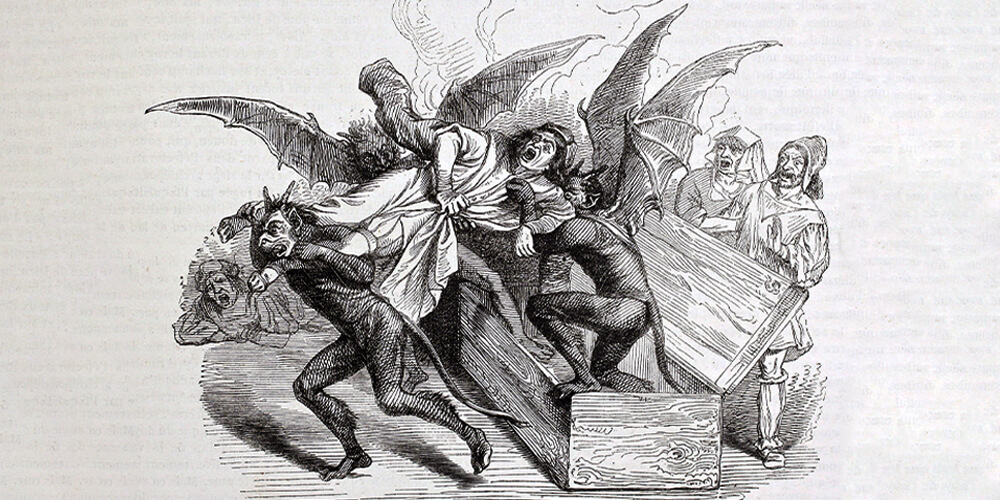
To answer this question, you need to look as far back as biblical times. Bats were viewed as dirty animals back then and became deeply associated with bad spirits because of their nighttime routines. Even the devil himself was linked to bats: in Dante's Inferno, written in the 14th century, Satan's wings were said to be featherless, like those of a bat.
Depictions of Satan and the Archangel Michael in the Middle Ages had Satan with dark, bat-like wing features, while Michael had soft, white, feathered wings.
Bats were eventually perceived as demonic creatures that were bad omens and harbingers of death. Tales later would associate bats with witchcraft and vampirism.

And here we are today, thinking that they’re terrifying because we see bats as:
- dark-coloured night creatures that come out only at night
- sly creatures, quietly hiding in dark corners as if just waiting to scare us
- flying out of nowhere, swooping down and tangling in our hair
- having a face that only a mother could love
- originating from scary places like caves
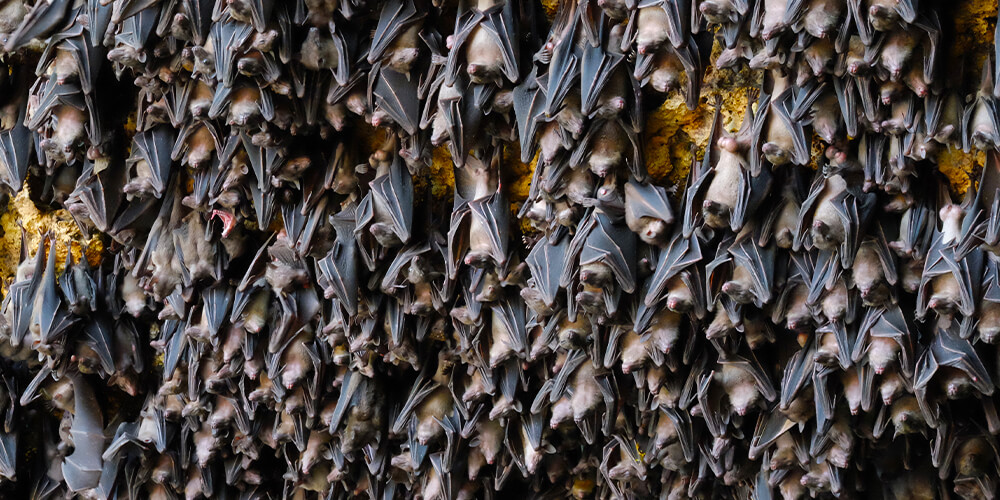
- usually living in groups, exiting their shelter at dusk all at once, multiplying the fear factor
- having small, sharp teeth that mimic the exposed fangs of vampires, wolves and hyenas
Are bats attracted to human blood?
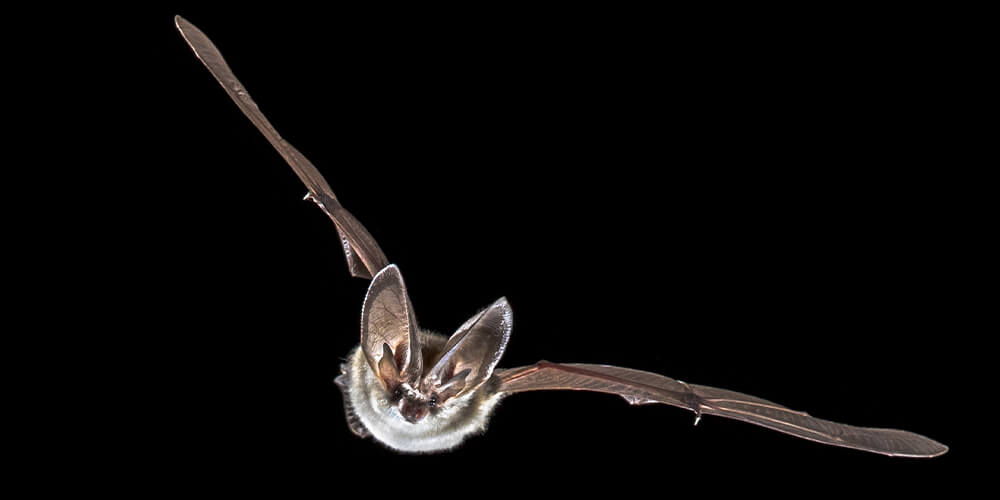
Well, there’s no need to worry here in Canada. We don’t live anywhere near vampire bats.
Vampire bats are only found in the warm climates of tropical and sub-tropical regions of the Americas, specifically in northern parts of Argentina and Chili to southern Mexico. The only vampire bat ever recorded in North America was the one found in southwest Texas in 1967.
What does a bat bite look like?
Down in the tropics, vampire bats go after cattle and other livestock, making a small V-shaped cut and licking the blood. The cattle are usually sound asleep and are rarely even aware that this is going on. For someone to be so accosted, they would need to be asleep on the ground outside, with a portion of their skin exposed.
So, let’s eliminate the possibility of vampire bat attacks in Canada. Know that 99% of the nine hundred bat species that inhabit our planet do not consume blood. Their primary food consists of small insects, flowers, nectar, pollen, leaves and fruits.
Note
By the way, neither human nor any of the animals that vampire bats bite would turn into vampires!
Are bats good or bad to have around?
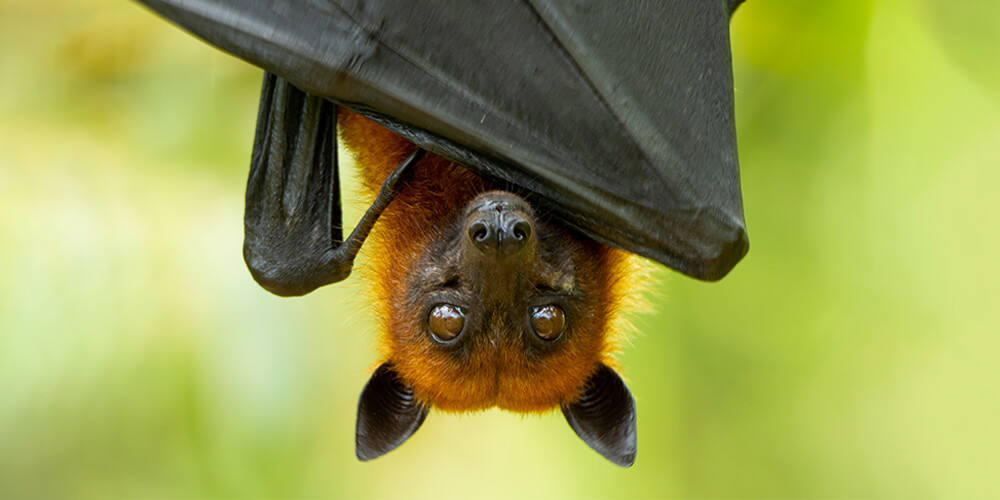
Do bats have a purpose?
Bats are terrific at insect control.
The bats’ value as a natural form of pest control is estimated in billions of dollars. They devour insects by the thousands, including agricultural and forestry pests, helping farmers reduce pesticide use and forest managers reduce the need for aerial pest control.
They maintain the delicate balance of biodiversity. In short, when bats thrive, so do ecosystems and economies.
What do bats eat in Canada?
Bats are the only major predator of night flying insects. Each bat can consume an amazing 3,000 bugs in just one night. These mammals feed on insects that they usually catch in flight. They eat a variety of insects, including moths, beetles, wasps, dragonflies, June bugs, stink bugs, leafhoppers, mayflies, caddisflies, mosquitoes and midges.
They catch them in their mouth, but often they scoop up their victims in wing or tail membranes before transferring them to their mouth. We can thank bats for limiting the number of mosquitoes.
What diseases can bats give you?
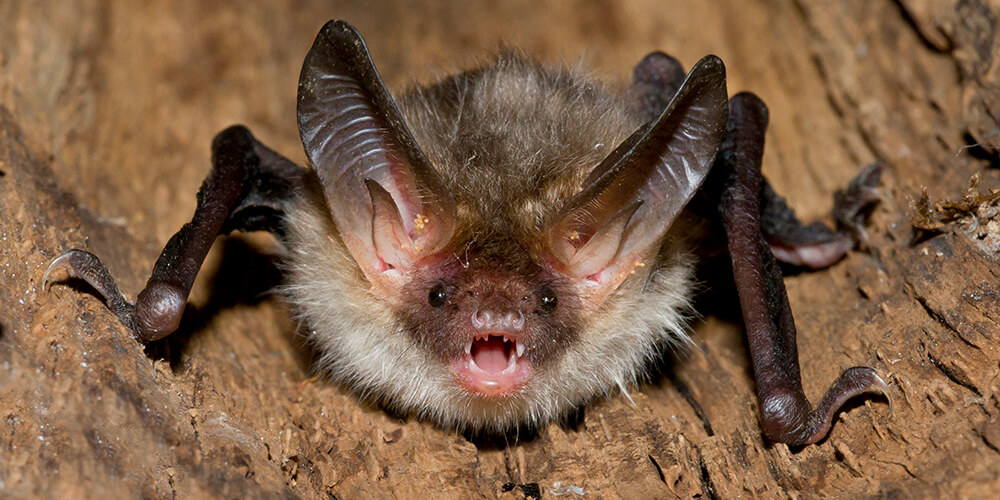
The risks of contracting rabies or histoplasmosis are very real, so you should never handle a bat with your bare hands. (If a bat does get into your home, we explain how to capture it safely in our other article.)
What to do if a bat touches you at night?
The downside to bats is that they could transfer rabies to humans and pets. It should be noted that human rabies linked to bats is exceedingly rare in Canada, with only 26 recorded cases since 1924 and 7 between 1950 and 2019.
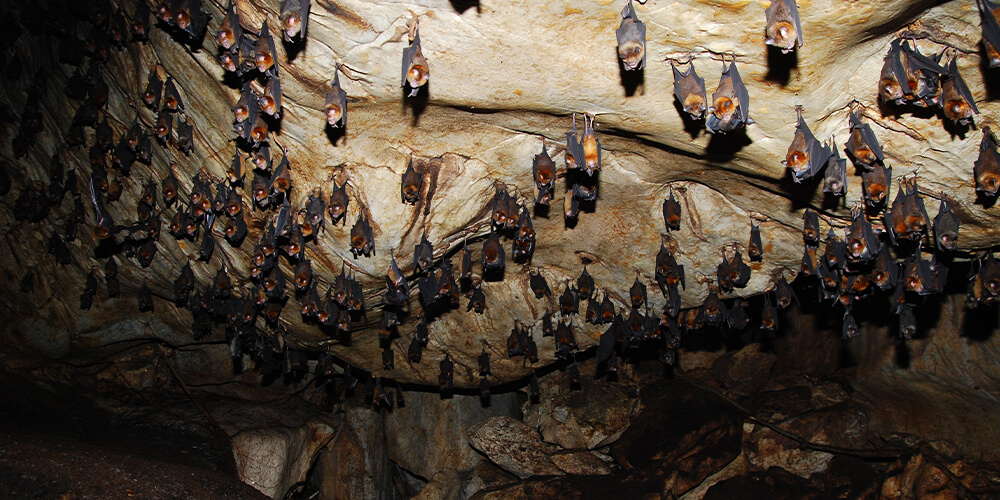
Rabies could be a risk wherever bats are present, so people should avoid contact with them. Bats are not aggressive and will avoid humans. A bite often occurs when a person attempts to pick up or handle a bat. Bat bites are typically shallow and may not be noticeable, resembling a needle prick.
Find more information here.
Do you need a rabies shot if a bat touches you?
Although attacks by rabid bats are rare, anyone bitten or scratched by a bat or any other wild animal should get medical help right away. If not treated in time, a rabies infection is often fatal. It’s important to know that it typically takes 3–8 weeks before rabies symptoms show up in humans. If you wait until the symptoms appear, it’s usually too late to start an effective medical treatment.
What are the odds of getting histoplasmosis?
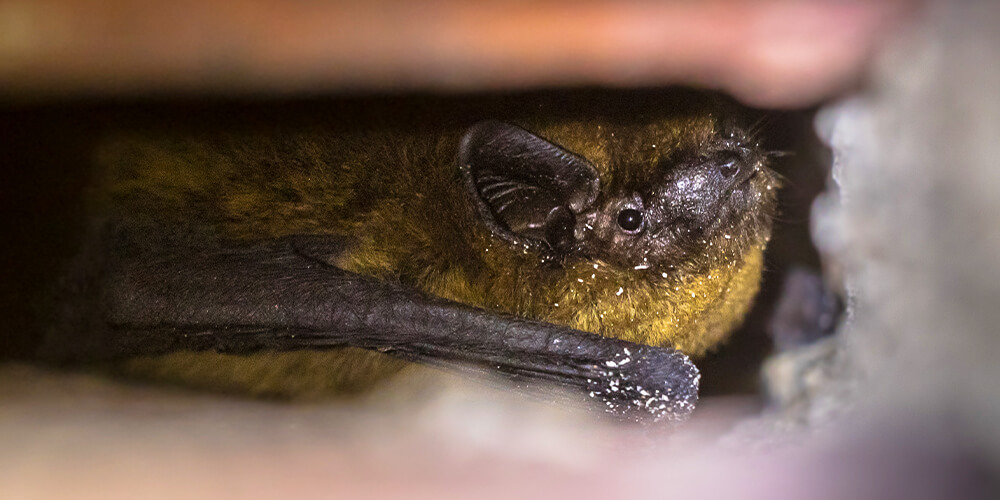
This is a fungus that grows from the droppings from bats and birds, such as pigeons, starlings and chickens. When this contaminated material is disturbed, spores become airborne in the dust.
Inhaling these spores causes a respiratory infection known as histoplasmosis. Most infections appear as mild respiratory illnesses. Histoplasmosis is curable with antifungal medications, though mild cases are often resolved on their own without treatment.
The chance of getting histoplasmosis from bat droppings would only occur when cleaning up an attic where bats had been inhabiting. Learn how to clean without taking any risk in our article.
Find more information here.
What is the description of a bat?
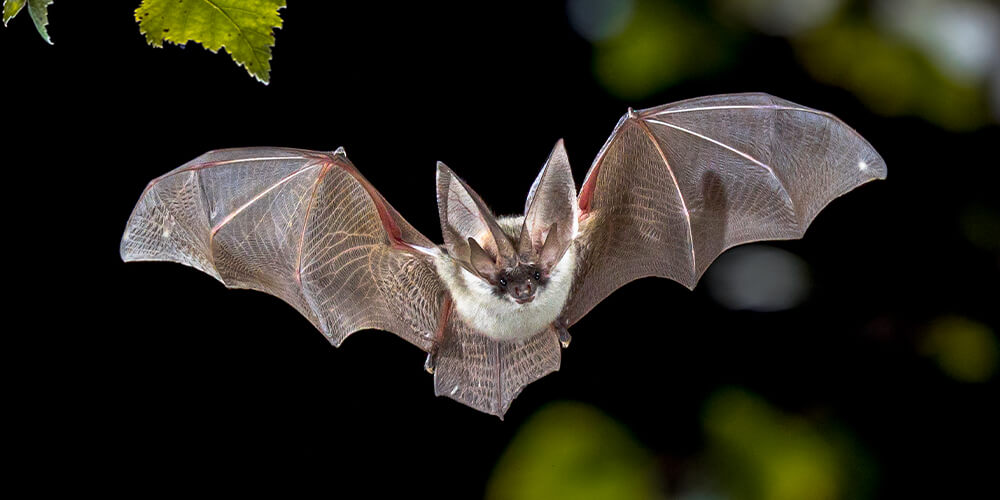
Bats are like other mammals in that they are warm-blooded, give birth to live offspring and nurse them. They differ from all other mammals in that they can fly. Long finger, hand and arm bones support the folds of skin that make up their wings. Wing membranes affix to the rear legs and body sides, and membranes encircle the tail.
Bats typically hang their heads down when they are at rest, meaning that they just let go to take flight. Most bats cannot fly from the ground. Their legs aren’t strong enough to generate the speed needed for take-off and their wings don’t provide enough lift from a standstill. They must climb up on a vertical surface high enough to use gravity to get enough momentum to fly.
Their sizes range in Canada from the largest at 14 cm (5-6 in) from nose to tail, to the smallest at 8 cm (3 in).
Bats live on average about 10 years, assuming they don’t get common illnesses or are consumed by their predators, such as owls, hawks, falcons, cats, coyotes, raccoons and weasels. Some have been recorded as living over 30 years.
What kind of bats are in Canada?
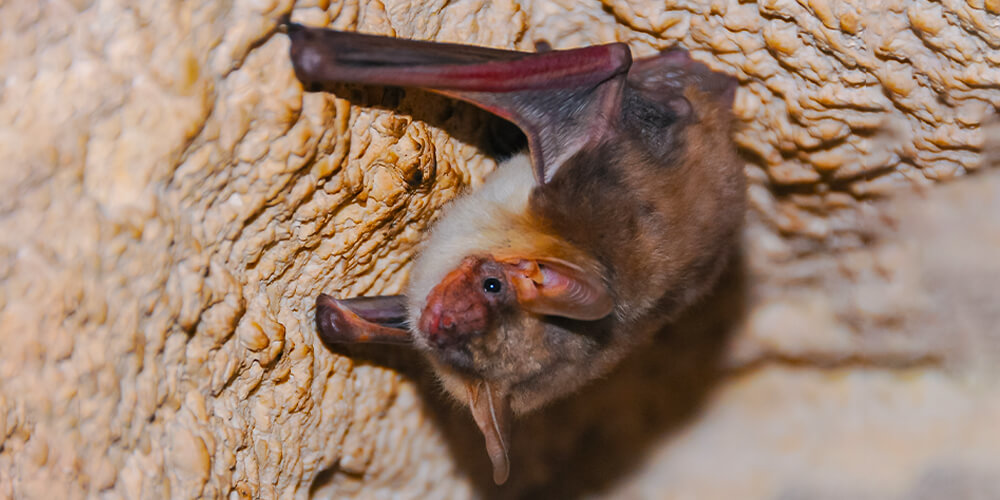
There are 19 bat species known to exist in Canada, and 17 of them live here regularly. The 5 most common bats in Canada are the little brown bat, big brown bat, hoary bat, eastern red bat and silver-haired bat.
The little brown bat is the most widespread, while the big brown bat is larger. These two bats tend to hibernate in winter.
The hoary bat is the largest, and the eastern red and silver-haired bats are tree-dwelling species that migrate away down south for the winter.
Are bats on the decline?
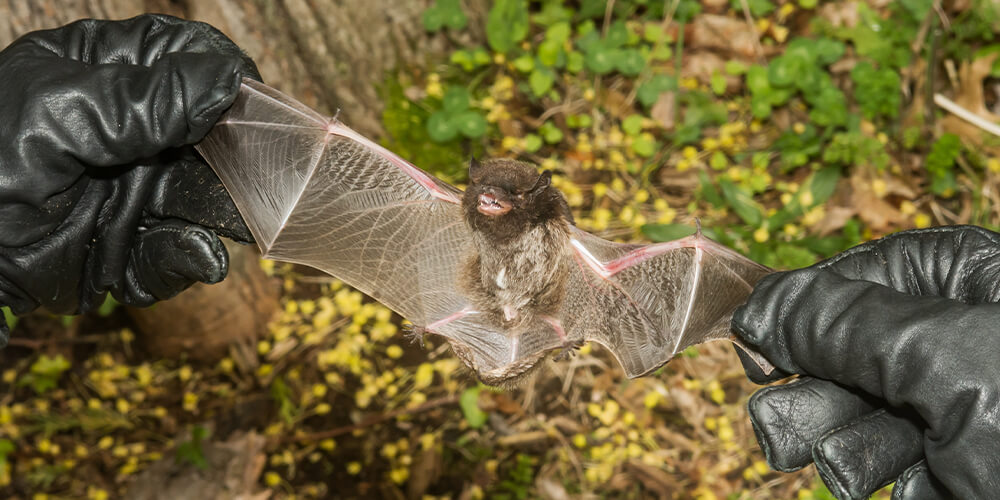
Two recent studies* released in 2023-24 warn of some alarming statistics:
- 53% of North American bat species are estimated to have moderate to very high risk of extinction or elimination in the next 15 years.
- 90% of North American bat species are estimated to have populations that decreased or likely decreased over the past 15 years.
- Climate change is considered the number one threat to North American bats.
- White-nose syndrome is a major threat, with 12 North American bat species known to be susceptible to the disease.
*North America Bat Conservation Alliance and the Annals of the New York Academy of Sciences “State of Bats in North America”
Why don't I see bats anymore?
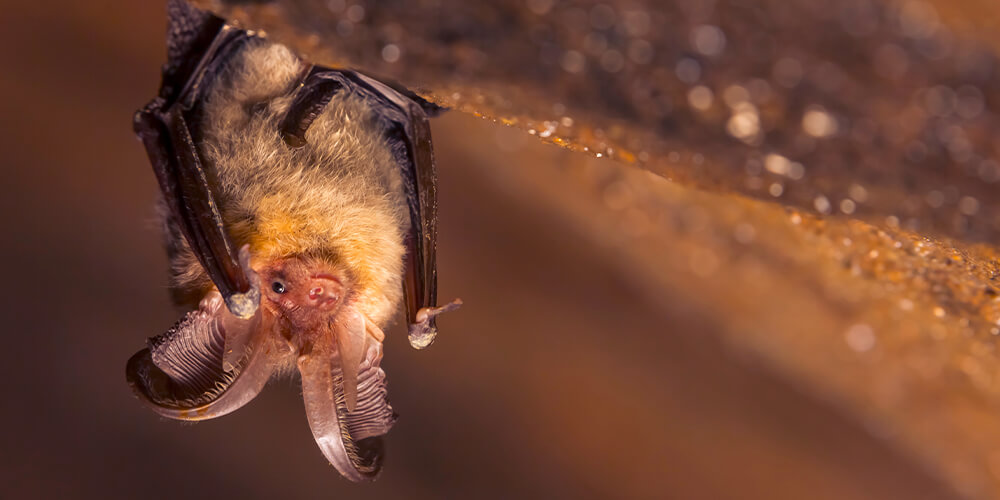
The other causes that affect bat populations:
- Loss of habitat from timber, agriculture and urbanization deforestation
- Pesticides on crops
- Collisions with wind turbines
In Canada, bat populations have declined dramatically, primarily due to white-nose syndrome (WNS), a deadly fungal disease that disrupts hibernation and kills bats by the millions.
WNS targets the skin of hibernating bats. Unfortunately, all of Canada's endangered bat species hibernate together, which advances the spread of the fungus. When hibernating, bats with WNS wake up several times. This speeds up their metabolism and causes them to burn through their winter fat. They become more susceptible to dehydration and starvation with less food available.
There is a sizable community of researchers actively trying with various remedies, which are showing some promise, to try and remove the WNS fungus, even if the bat population is still small today. The good news is that the population decline has slowed and is currently stable.
Is it good to have bats in your yard?
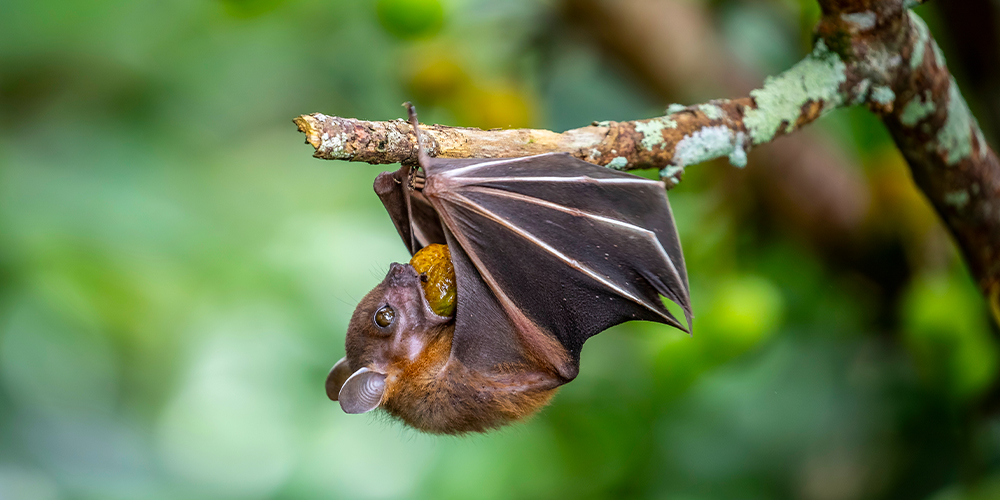
They don’t suck our blood, don’t tangle in our hair, aren’t harbingers of death. The chances of getting rabies or histoplasmosis are also pretty slim. Instead, they are wonderful, voracious, natural insect eaters.
While we don’t want them in our attics, we can offer them bat houses to encourage them to stay close to our place and clean up a lot of the flying bugs. You can buy bat boxes ready-made or in kits at many garden centres or online. It’s quite satisfying to sit out at sunset and watch the bats flying out of their box for the night to forage for bothersome insects.
NOTE
Bats host more viruses transmissible to humans than rodents. However, as their population is almost twice the number of rodent species living near us, the overall number of viruses transmitted by bats is lower compared to rodents.
