
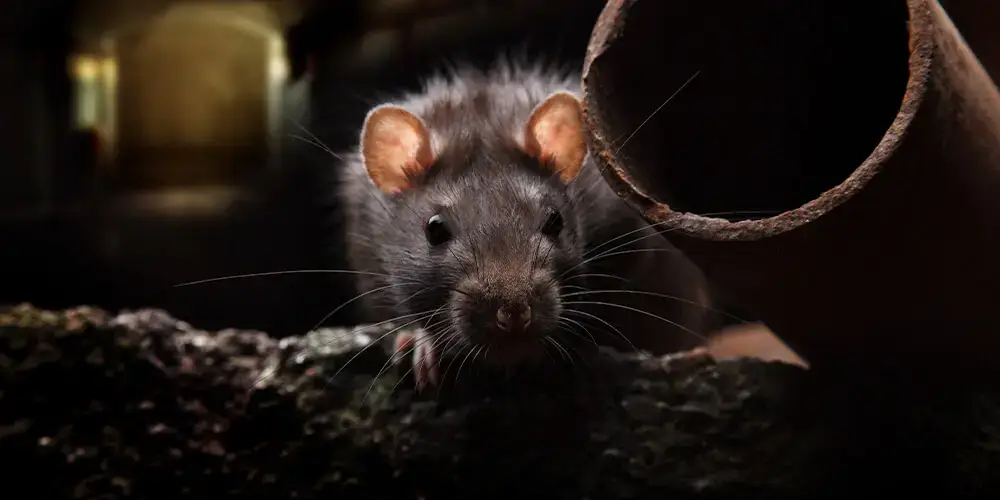
Increasingly present in cities, suburbs and the countryside, outdoors or indoors in businesses, industrial buildings, sheds and homes, rats arouse horror and fear more than any other rodent.
The fear of being bitten is real, but is it justified? Are the stories we hear just urban legends? Do rats really attack humans?
What are the natural behaviours of rats?
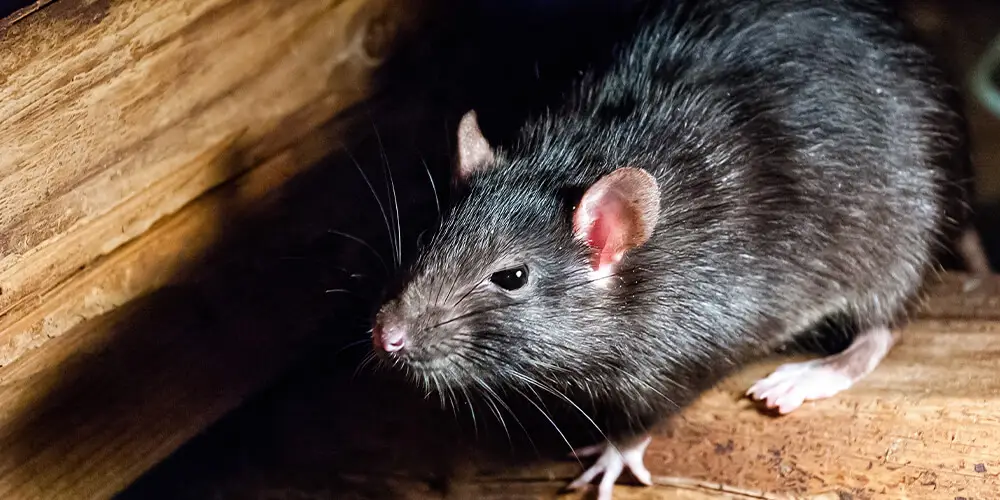
Although they can sometimes be seen in the early morning or early evening, rats are nocturnal animals. Cautious and wary by nature, they generally avoid any interaction with humans.
However, populations are increasing, meaning that rats can be seen in places where they were previously absent. As a result, they are moving closer to humans, and this proximity tends to make them increasingly accustomed to our presence.
Typically, when rats encounter a human, they prefer to flee and hide rather than confront or attack. Their survival instinct drives them to avoid danger, and for them, humans are a threat.
Read our other article to understand what is causing the proliferation of rodents.
When do rats attack humans?

The fear of rats is often fueled by their appearance and speed, and stories told in the media or movies. The fact that rats are vectors of deadly diseases and have been the cause of deadly epidemics in the past contributes to their bad reputation.
So… is getting attacked by a rat possible or not?
In our presence, rats prefer to run away or hide. Attacks are therefore extremely rare. However, if they feel threatened and have no way to escape, they may attack.
Here are some examples of situations where a rat might attack and bite…
- If the rat feels cornered or threatened (when it's trapped in a corner and someone is trying to catch it, for example).
- When it's starving and food is extremely scarce, which is quite rare in Canada, in our modern environments.
- If it's in the presence of someone who can’t defend themselves (e.g., babies).
- If the rat is sick (which is all the more worrying) and in a desperate state, unable to search for food.
Can I die from a rat bite?

Rats almost never attack humans. However, their presence around you poses risks.
Rats can cause significant property damage and even cause fires by chewing through electrical wires.
They also carry diseases, some of which are fatal. Hantavirus is a potentially deadly virus spread by deer mice and other infected rodents. It can be contracted not only through contact with rodent saliva, but also by inhaling dust contaminated by their urine and droppings.
What are the risks of being bitten by a rat?
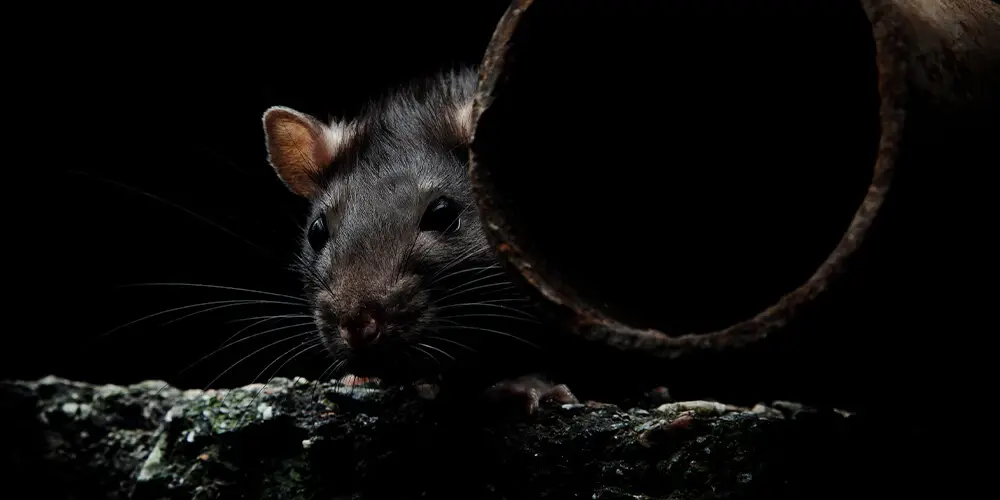
Rats do not spontaneously attack humans. Their first instinct is to flee. Cases of bites or attacks are rare and often linked to very specific circumstances.
During World War II, there were a few isolated cases of bites as London residents gathered in overcrowded, rat-infested underground shelters to escape aerial bombardments. There were reports of people sleeping soundly being bitten by rats searching for food.
In 1917, a study conducted by the New York City Department of Health revealed that the vast majority of rat bite victims today are children under the age of 5, often sleeping babies, living in unsanitary conditions. Attacks occur primarily at night when food is left within easy reach.
More recently, there have been a few rare cases of rat bites, mainly occurring when someone tries to catch a wild rat or free one from a trap. You can avoid unnecessary risks by taking steps to keep them out of your home.
Read our other article to learn how to detect the presence of burrows near the house before rats find a way in.
