
How natural rodenticide pellets actually work (and why they're safer than you think)

Why people are afraid of rodenticides is understandable. Some traditional rodenticides used in mouse baits can have hazardous effects that go much beyond target rodents. Children, pets and local wildlife can be at risk if they accidentally consume these poisons. And beyond that, any predatory animal that eats a poisoned rodent could ingest the toxin and die.
Fortunately, some products offer similar efficacy without posing the same risks.
How do traditional rodenticides work and what are the real risks?
The majority of rodenticides are anticoagulant compounds that interfere with blood clotting and lead to internal bleeding. The effects are gradual and require the mice to come back to consume more bait over a few days before reaching a lethal concentration.
What happens when rats and mice die in the house?
Once a mouse consumes a lethal dose, it will typically retreat to a hidden indoor area to die. They often end up inside walls or attics, under floorboards, inside cabinet bases or behind large appliances. When they consume anticoagulants, mice often die in inaccessible areas. Their carcasses can decompose out of reach and cause temporary foul odours.
How do natural corn cellulose pellets work and what are the advantages?
Corn cobs are a by-product of corn processing. When these cobs are ground up, the powder is made into pellets, which are useful as an effective low-risk, non-toxic rodenticide.
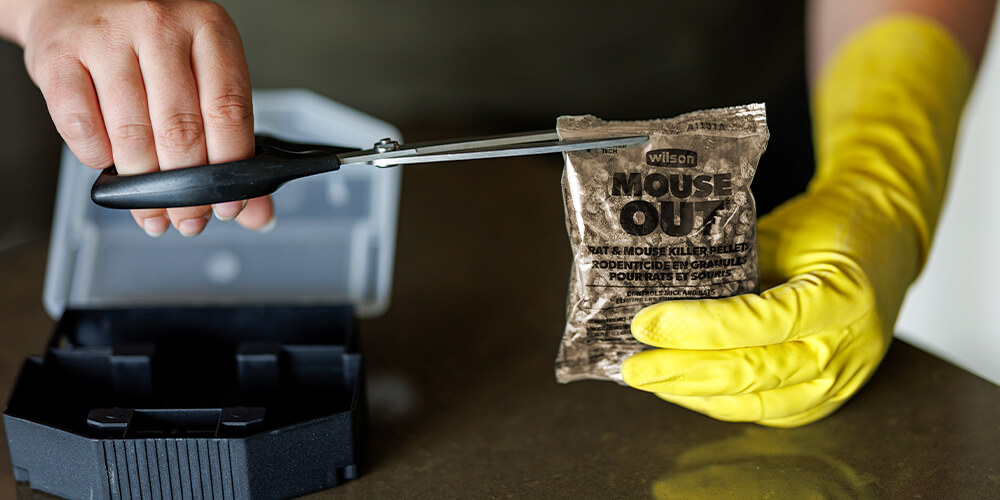
Registered as a low-risk alternative rodenticide in Canada, they work by absorbing water in the mouse’s digestive tract, which then blocks normal thirst signals. They die from dehydration. Mice must eat the pellets exclusively for 3 days or so, so you need to remove any competing food sources.
No odour
Mice die from dehydration, which mummifies them. The internal drying process quickly dehydrates the carcass. The effect minimizes typical decomposition smells, compared to the conspicuous odour from standard anticoagulant rodenticides.
Low to no risk of accidental poisoning
Corn cellulose pellets pose negligible risks to children and non-target species such as pets, livestock, chickens, etc. Also, these pellets are organic and biodegradable, so you can dispose of any unused or spoiled product in your garden compost.
Secondary poisoning risk: eliminated with corn cellulose
The risk with anticoagulants
When a predator eats a mouse that has ingested poison, the toxin gets passed on up the food chain. Poisoned mice keep eating bait for days, building up high levels of toxins in their bodies. If outside, the weakened rodents become slow and uncoordinated. This makes them easy prey to catch, so predators end up eating more of them. Unintentional illness or death can occur with domestic pets, and with wildlife such as foxes, coyotes, owls and hawks.
With corn cellulose pellets, secondary poisoning is eliminated
If a dog or cat consumes corn cellulose rodenticide pellets, it won't experience any toxic effects and won't be poisoned. This bait is made from a safe plant material (powdered corn cobs), so it doesn't contain the harmful chemicals that are typically found in conventional rodent poisons. If your pet did consume a large quantity of pellets, it could get a mild upset stomach, but nothing fatal. Make sure your pet has access to lots of water to naturally flush the fibres through its system. If you are unsure, bring your pet to a vet along with the label so they know that it’s from corn cobs, not an anticoagulant.
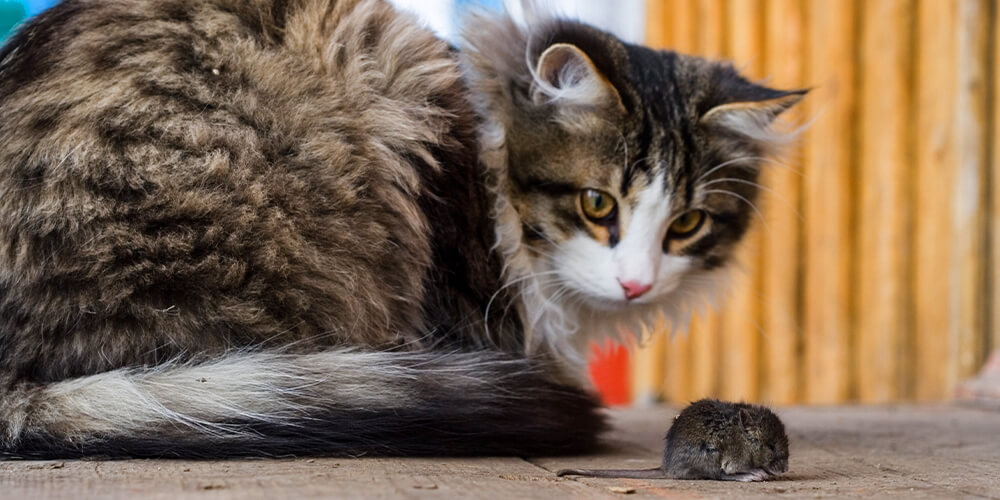
If a predator eats a rodent that consumed the pellets, secondary poisoning is zero. Predators like hawks, owls, foxes, coyotes or even cats and dogs eating cellulose-affected mice are only ingesting digested plant fibres and dehydrated tissue. There is no poison involved, unlike anticoagulants which bioaccumulate and migrate up the food chain.
Health Canada approval: what it means in practice
According to Health Canada’s Pest Management Regulatory Agency: “Products containing cellulose are lower risk alternatives to conventional rodenticides used indoors. They have low toxicity and have value in providing a pest management solution. Based on the current use pattern of cellulose, dietary exposure is not anticipated.”
What is most toxic to rodents: the data
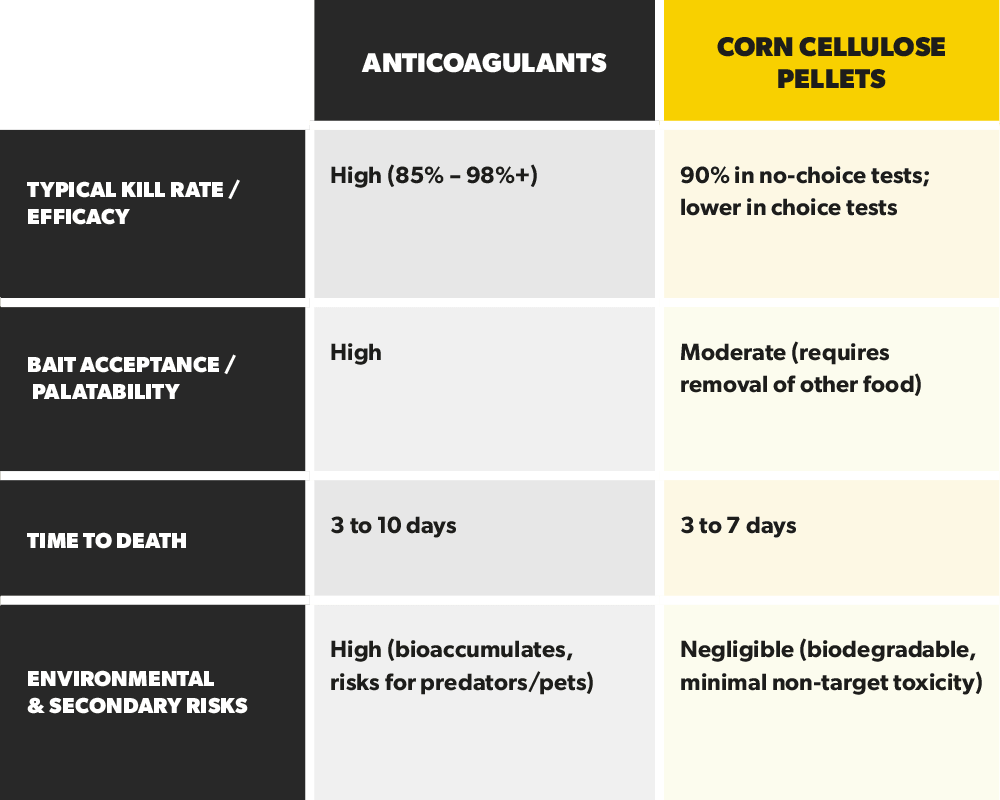
Tests have revealed that corn cellulose-based rodenticides have similar efficacy to anticoagulant products traditionally used to exterminate rodents, but without posing the same risks.
How to use MOUSE OUT and RAT OUT pellets correctly
Where to place the rodenticide for more efficacy
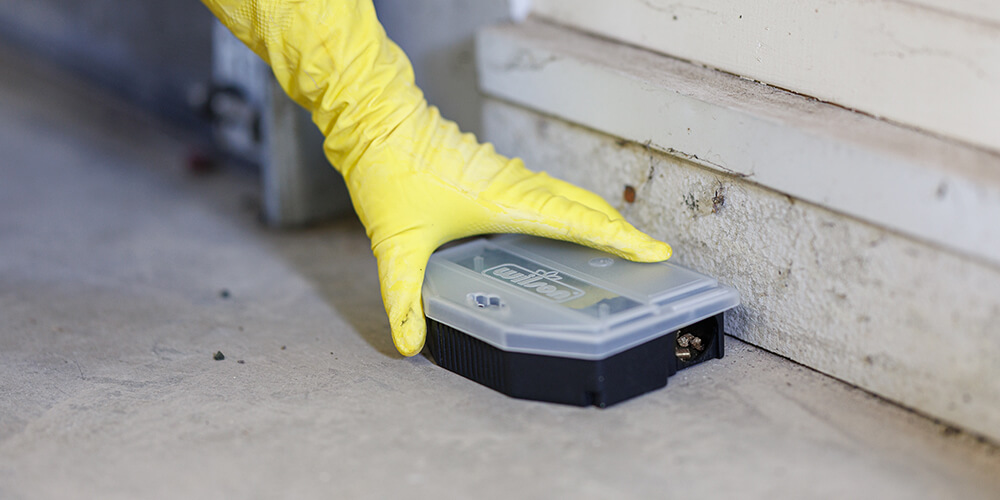
Place bait where there are signs of rodent activity such as fresh droppings or near burrows, runs, feeding places and points of entry. Safe to use in the kitchen or pantry, the pellets can be used year-round but the best application times are during periods of limited food supply and high activity. Mice are random feeders, so several bait stations are required. Protect bait stations from non-target animals.
How many bait stations do you actually need?
Place bait stations 1.2 m to 1.8 m (4-6’) apart. Maintain an uninterrupted supply of fresh bait for at least 6-8 days (8 days for rats), or until signs of rodent activity cease for a period of 2 days or more. If all bait has been eaten from certain areas, add additional bait stations.
One critical rule: keep the pellets dry
To prevent bait from spoiling, bait stations should be placed away from sources of moisture. Replace any wet or spoiled bait. Relocate bait stations to a dry location if necessary.
What to do once the infestation is under control
Whether you've dealt with a minor intrusion or a full-blown infestation, the presence of rodents in your home requires swift action and thorough cleaning once they've been eradicated. Since pests and their droppings pose serious health risks, be sure to proceed safely.
The best way to avoid a rodent problem is to prevent them from entering your home in the first place. We explain how to prevent rats on your property and how to protect the house to prevent intrusions in our other articles.
