
- What causes fear of spiders?
- What does it mean when you see spiders in your house?
- Are spiders in your house harmful?
- Are there any venomous spiders in Canada?
- How do they get into the house?
- How do you stop spiders from coming in your house?
- How to permanently get rid of spiders?
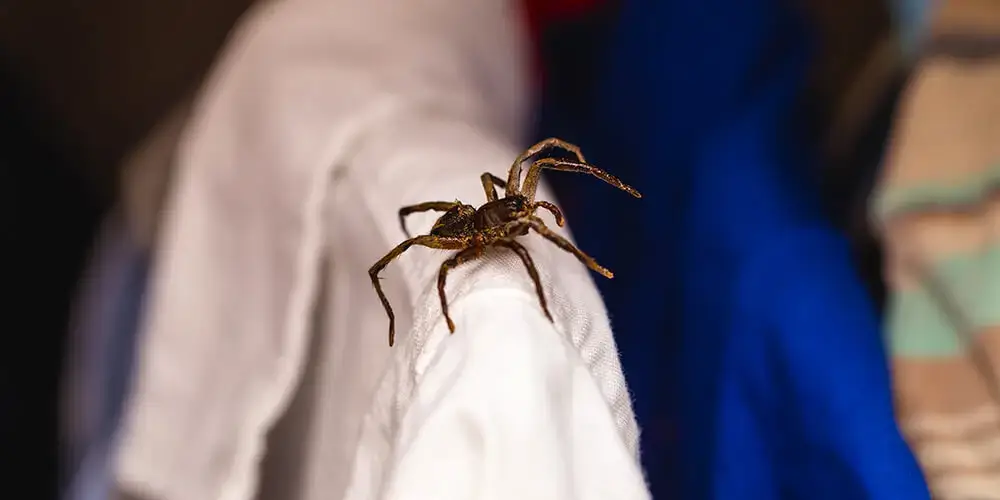
As the weather cools off and fall/winter arrives, you need to consider that spiders are now looking to find their way inside your house. Homeowners are beginning to see an increasing number of spiders scuttling inside their homes. The spiders are searching for a warm place to overwinter and mate.
What causes fear of spiders?
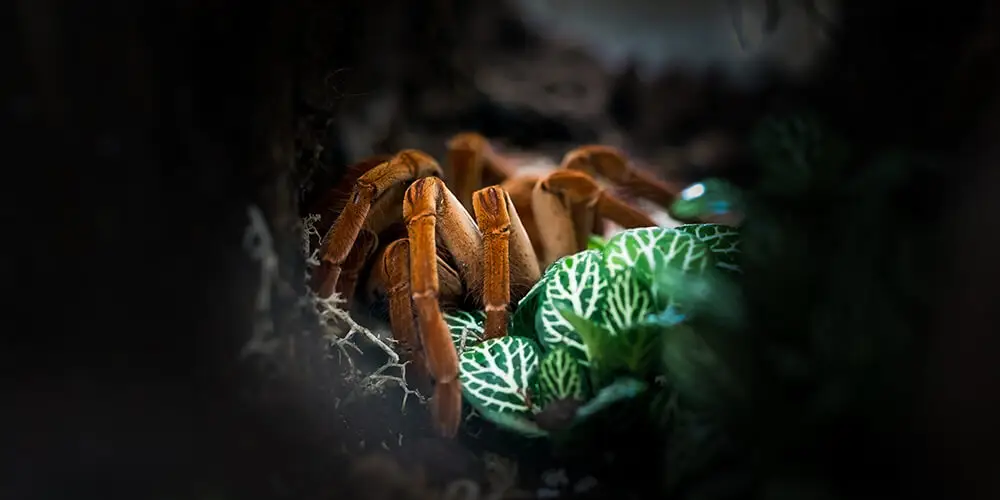
Let's be honest: spiders don't get particularly good press.
Some people have a fear or an uneasiness of spiders. And another 5% of the population suffer from arachnophobia, which is an intense and irrational fear of spiders. Overall, most spiders are not harmful, but some species, if provoked, can bite. At any rate, you may want to do something to keep these creepy pests out of your house.
What does it mean when you see spiders in your house?
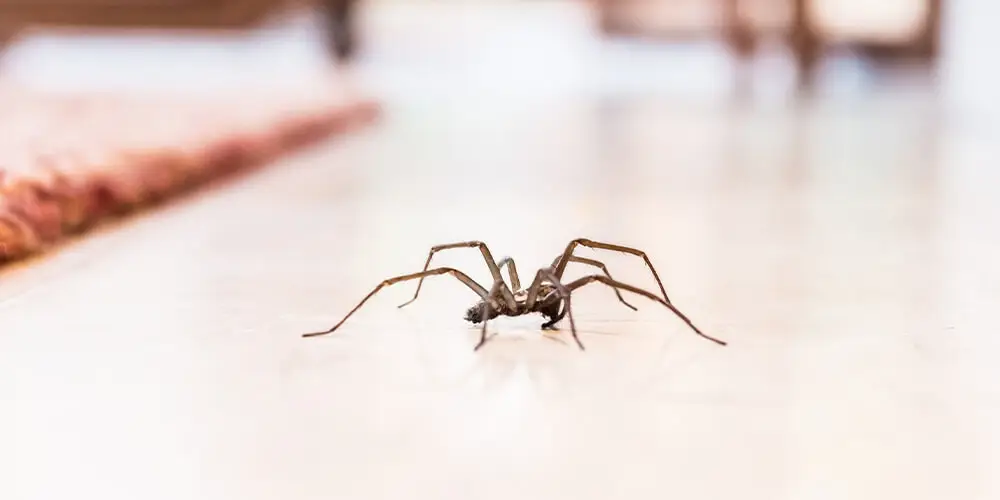
Spiders look to enter your home in the late summer or early fall, as they seek out shelters and mates. Any area that is not cleaned regularly can function as a refuge for spiders, so those hard-to-reach corners and dusty areas of your home can become favourite hiding spots.
Once in your home, most spiders build webs in basements, garages and corners of rooms. Unlike many other pests, spiders don't eat anything from the house but instead build webs in sheltered areas to trap a variety of insects.
Are spiders in your house harmful?
On average, spiders tend to avoid us, but if annoyed, even the harmless ones can still bite us. These kinds of bites usually happen when you put on footwear or clothing that has a spider trapped inside.
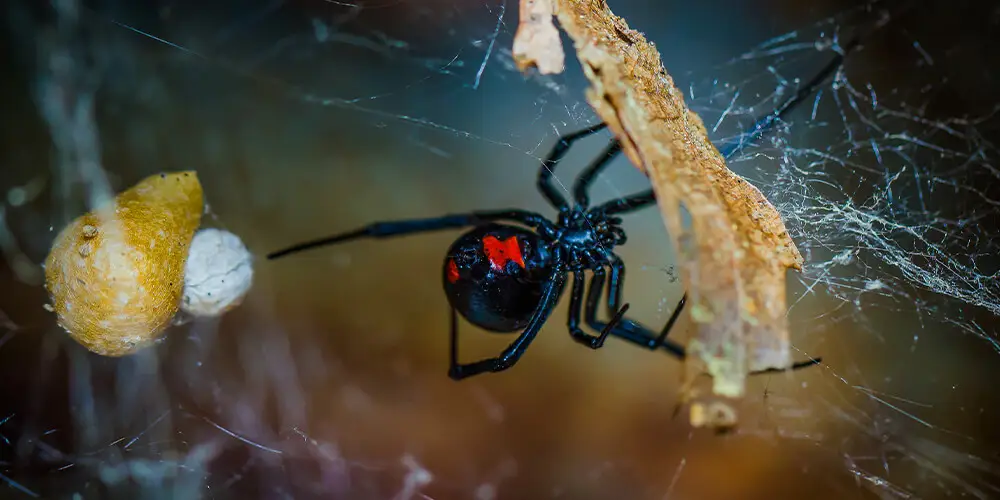
The venom of a house spider is not harmful to humans as it is relatively mild. The black widow spider is the only species in Canada that poses a threat. The symptoms experienced vary based on the location of the bite, the sensitivity of the victim and the quantity of venom delivered.
Are there any venomous spiders in Canada?
All spiders produce venom to subdue prey, but not all species are harmful to humans.
In Canada there are two species of black widow spiders that can be a problem to humans: the western black widow found from British Columbia to Manitoba, and the rare northern black widow found in southern Ontario. The brown recluse spider is another harmful spider that, although not a native species, has been noted for accidental sightings and rare bites, often attributed to spiders being transported from their native U.S. habitats via cargo or commercial goods.
The neurotoxins in these spiders’ venom can cause severe muscle cramps, sweating, headaches, high blood pressure, and in rare cases, seizures and death. Thankfully, black widow and brown recluse spiders are not very common in Canada and only the females are dangerous to humans.
In your house, you are more likely to encounter a garden spider, wolf spider, house spider, cellar spider or jumping spider, which are harmless… unless, again, you provoke them. Learn more about these species in our other article.
How do they get into the house?
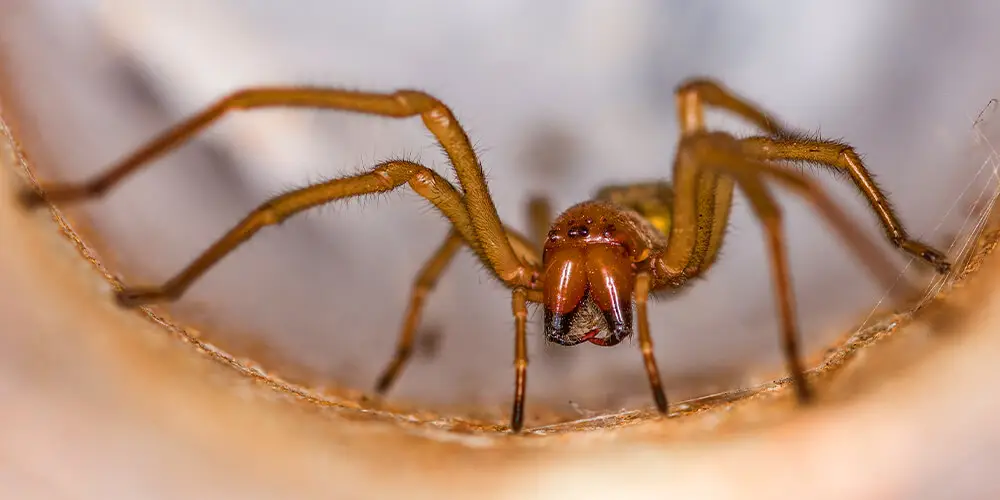
Spiders will seek out gaps in your doors and windows, along with various crevices and openings on the outside of the house. This includes places where pipes, cables and vents come through the foundation. Spiders also gain access inside by accidentally hitchhiking on plants and firewood, and with boxes that are brought in and placed in the basement or attic. Once in, they will begin to spin webs in pursuit of food (other pests), and for warmth and moisture.
How do you stop spiders from coming in your house?
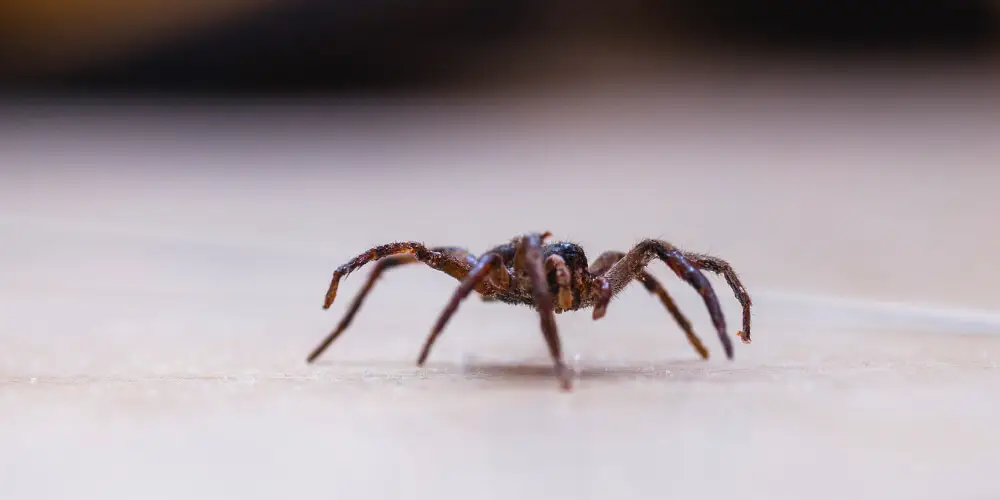
Your first line of defense, if you have observed several webs or spiders within your house, would be checking your windows and doors to make sure they are securely sealed to keep spiders from entering through any openings. Fill any cracks or crevices where there are utility pipes and cables with silicone or expanding foam.
The next thing you should do is give your house a thorough cleaning (to know where to start and how to proceed, read our article).
Webs, spiders and the dusty atmosphere they prefer can be eliminated by routinely vacuuming the house, paying particular attention to the interior of cabinets, the ceiling and doors, as well as under appliances and furniture. Also, you should keep any pantry areas, crawl spaces and closets free of clutter and boxes that could be used as hiding spots.
How to permanently get rid of spiders?
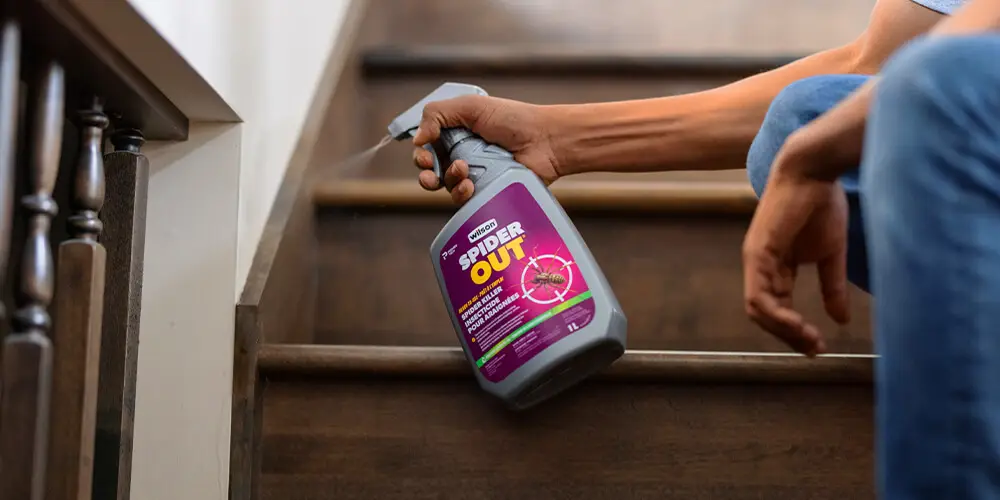
If you have spiders, you also have resident insects that the spiders are eating. You need to spray Wilson SPIDER OUT in all these potential hiding spots to control both spiders and the unseen insects.
To kill these pests, thoroughly treat inside surfaces, including:
- cracks, crevices in walls, floors and ceilings, along and behind baseboards, around water pipes and tanks
- walls behind and floors beneath appliances (e.g., refrigerators and stoves) and furniture (e.g., shelves, drawers, cabinets and storage units)
- around sinks, drains and pipes
- around garbage containers
- around interior foundations
- localized areas around garbage cans
- localized areas of floors and floor coverings, and points of entry (e.g., around windows and doors)
SPIDER OUT has a residual effect and will provide long-lasting results.
