- Which food does the spider eat?
- What do spiders do daily?
- What do male spiders do?
- What is the courtship behaviour of a spider?
- How long after a spider lays eggs do they hatch?
- What is the survival rate of spiderlings?
- How long do spiders live in Canada?
Although there are so many different species of spiders in Canada, they have one thing in common: most of them go through the same 3 stages: egg, spiderling and adult. Most of them only live a year.
Which food does the spider eat?
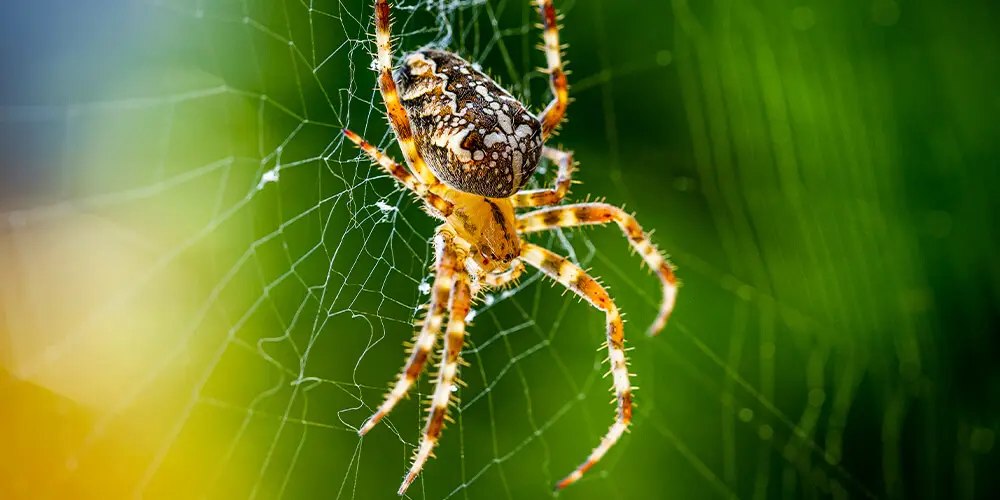
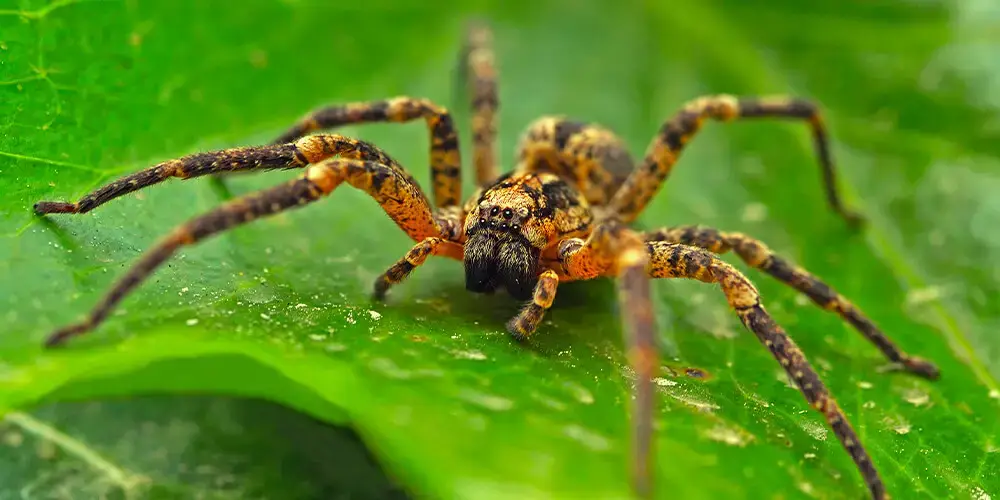
Most spiders are carnivores. They eat insects like flies, mosquitoes and moths, but bigger spiders can also include small animals such as frogs, lizards, small mammals… and other spiders. Some can include seeds, nectar, honeydew, leaf tissue and pollen on their menu.
Adults live a solitary life. They only feed themselves; they usually don’t even bother to feed their spiderlings or share their food with anyone.
They don’t need to eat daily and can survive 1-2 months without eating. However, if abundant food is available to them, they will eat often. One thing they need though is water. This can come from dew, rain, condensation, or even a dripping faucet or pet bowl.
What do spiders do daily?
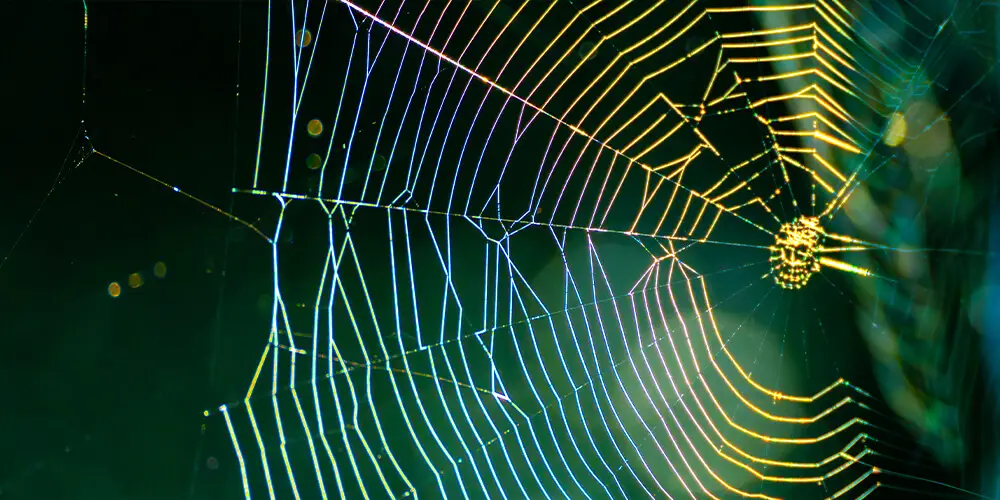
All spiders spent most of their time waiting. Whether it is a web spider or a hunter spider, it just stays patiently in place until a prey shows up. If their location doesn’t pan out, they simply move to another spot, leaving behind cobwebs for you to clean up.
Spiders prefer to eat live or recently killed prey. Web spiders consume many insects such as mosquitoes, flies, ants, moths, etc., but will eat anything that may have accidentally crawled into their trap like earwigs, centipedes, crickets and cockroaches.
Hunter spiders don’t make webs but go after crawling insects and even larger bugs like beetles, crickets and grasshoppers.
What do male spiders do?
Males can construct proper webs as juveniles, but as soon as they become adults, their attention is diverted to finding females. At this point, they lose focus on any notion of quality web building. You may see poorly built webs and wonder why. Well, this is an indication of a star-crossed male spending more time at the female’s web.
What is the courtship behaviour of a spider?
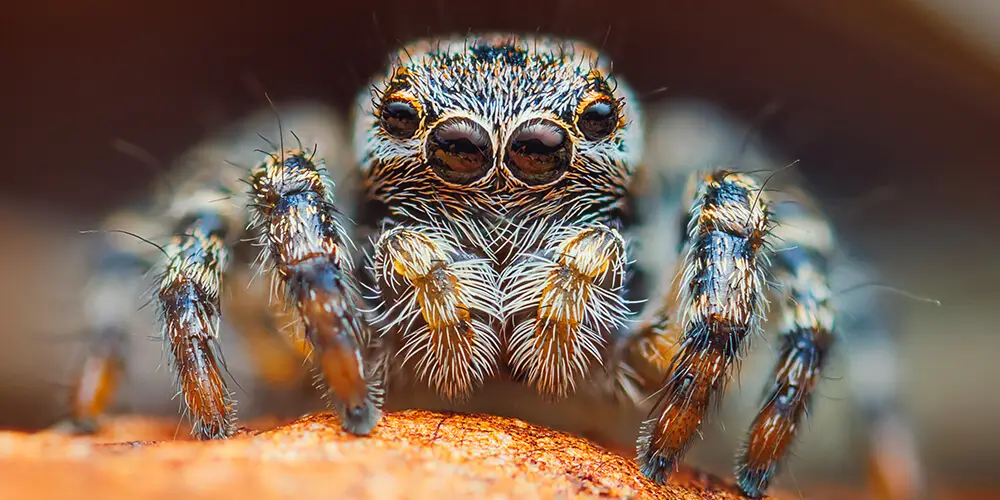
The males hang around the female’s web or tunnel, waiting for a chance to mate. For web spiders, the male will strum on her web to announce his presence and identify himself as a potential mate and not a prey. For non-web spiders, the male performs a particular dance to let the female know that he is in the mood and available. If she isn’t interested, she may ignore him or just eat him. Tough love!
Once the female has expressed an interest by sending out her pheromones, he then must overcome other males that have arrived. He may have to fight them, and if successful in those battles, he must maneuver his sperm deposit to the much larger female without her eating him. The male deposits his sperm manually with his pedipalps (short front appendages) into the female genital area. The female will store the sperm until she is ready to lay eggs.
How long after a spider lays eggs do they hatch?
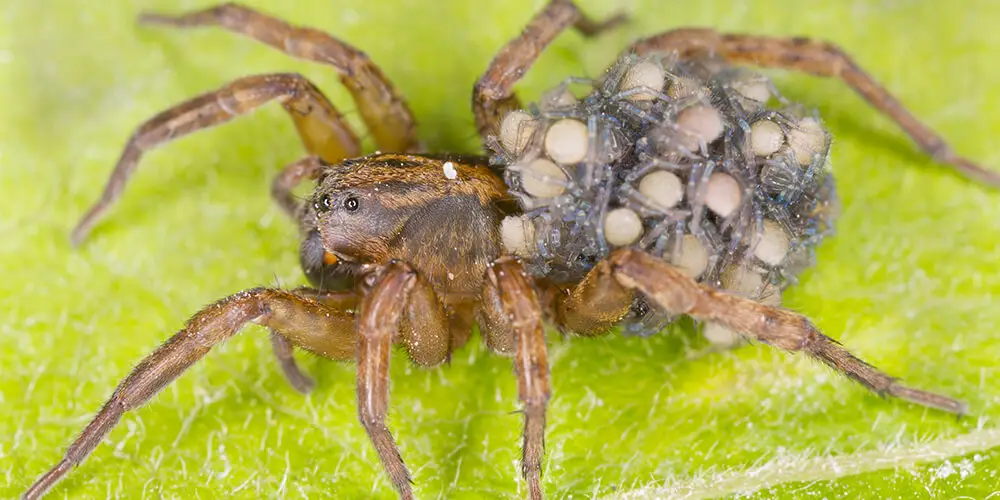
The female spider constructs a silken sac to contain the eggs, which can hold hundreds of eggs. The sac’s purpose is to protect the developing offspring from the elements and predators. As she deposits the eggs inside the sac, they get fertilized.
Most females will guard the sac until hatching occurs. After laying and fertilizing eggs, it generally takes about two to three weeks for the eggs to hatch. In Canada, some eggs will overwinter until the spring before hatching.
What is the survival rate of spiderlings?
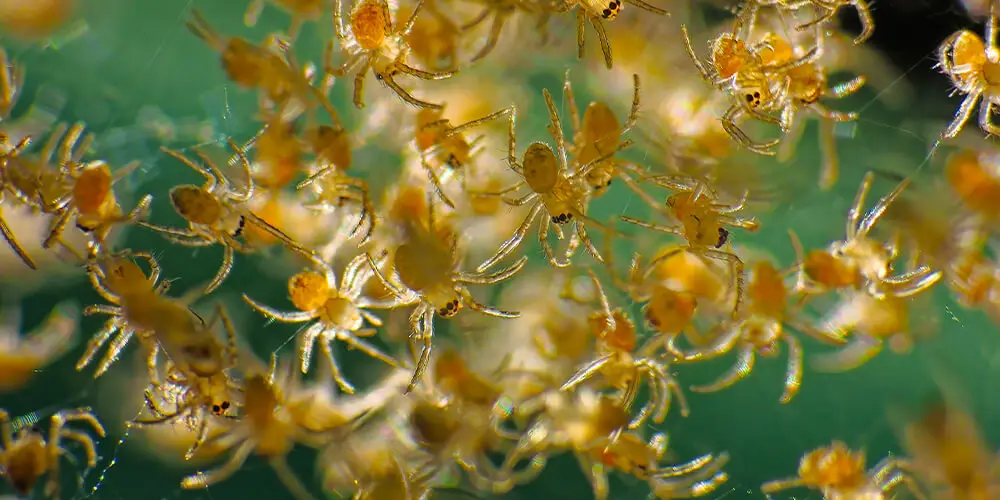
There may be hundreds of baby spiders coming out of the sac, many of which will not survive. The baby spiders, called spiderlings, look like miniature adults. Once hatched, the spiderlings do not remain. Soon after hatching, they leave the mother and siblings to search for their own home.
They start moving away right away, climbing to the closest branch or blade of grass, where they create a silken thread that serves as a parachute and let the wind carry them far away. This is called ballooning. The most hazardous aspect of a spiderling's transition to adulthood is the ballooning and travelling process.
Insecticides, birds, wasps and other spiders usually prey on newborn spiders as they start their journey.
How long do spiders live in Canada?
The spiderlings shed their skin (molt) as they increase in size. They continue molting, growing larger until they reach sexual maturity. Then the entire cycle begins again, with males seeking out females and females laying eggs.
Most spiders only live for one year. Spider breeding in Canada primarily occurs in summer, but it varies by species, with some spiders mating in early autumn and overwintering in their egg sacs.
The idea of living with a spider and its brood for a year seems inconceivable? Discover our SPIDER OUT product range.