
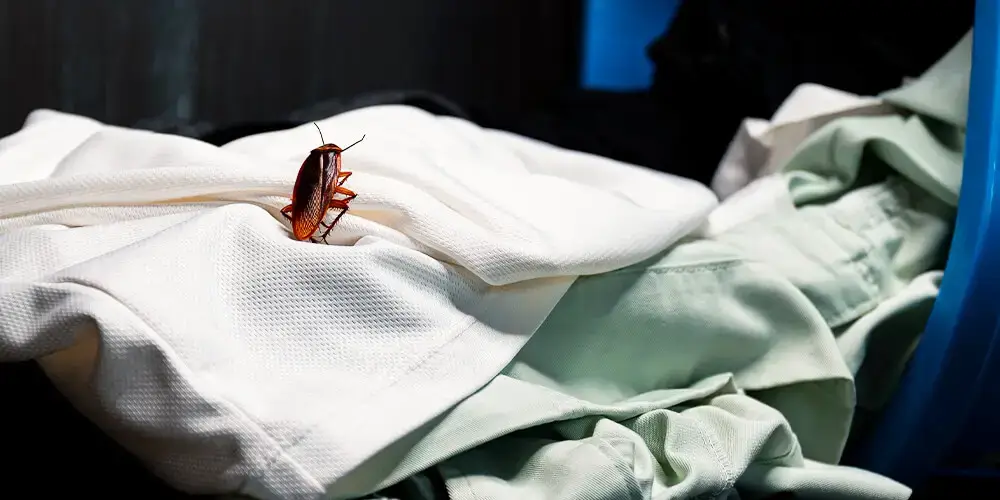
There are many insects that intentionally work their way into your house looking for a warm shelter and a food source. These pests find their way in through cracks and crevices in your house that allow them to crawl in.
But there are many incidental intruders that you brought in without realizing it.
Second-hand store hitchhikers

Buying from thrift stores, second-hand clothing and furniture retailers, and online marketplaces can be fun and it encourages the recycling of goods instead of them going to landfills.
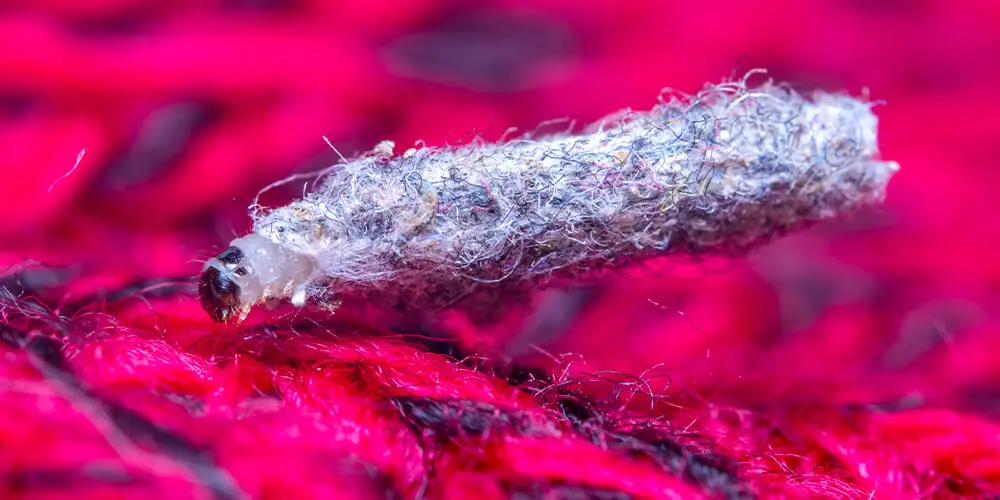
But guess what? Sometimes there are bugs tucked away in your new find: bed bugs, cockroaches, termites, carpenter ants, carpet beetles, clothes moths, fleas, spiders, silverfish and ants.
How likely is it to get bugs from a thrift store?
Beyond the great deal that you are looking to purchase, you need to do a careful inspection for pests. Look in the nooks and crannies in furniture and appliances. Inspect used carpets and upholstery. Treat them with a pesticide product such as Wilson CRAWL OUT in the garage and wait 24 hours before bringing the gcaoods inside. It’s understood that all used clothing needs to be washed in high heat or dry-cleaned before going in your drawers or closets.
Fresh food hitchhikers
Most grocery fruits and vegetables can be potential carriers of fruit flies, aphids, whiteflies, thrips, fungus gnats, spider mites, earwigs, silverfish, firebrats and sometimes, on tropical fruits, exotic bugs! Insects find fresh produce to be enticing with the lack of packaging, easy access to food and constant water sources from misting.
How to prevent live insects in fresh food from the grocery store
Most Canadian grocery stores or markets do not have any major pest issues, but it does not mean that every fruit or vegetable you bring home has never been touched by a type of pest. Just be sure to do a quick scan of each item before you put it in the cart, and wash everything well at home.
For more information, read: Live insects in packaged food
Dry goods/grain hitchhikers
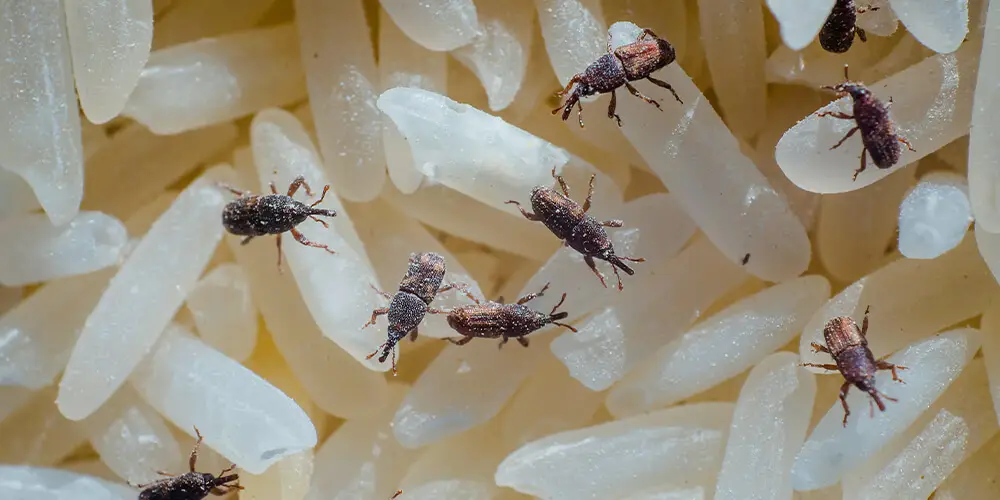
We are talking about pantry pests: flour beetles, Indian meal moths, rice weevils, etc. These are very tiny insects that sometimes come in with purchased grain-based food and find their way into your pantry.
The most common pantry insects in Canada are moths, beetles and weevils, and they are more of a nuisance than a hazard. They can’t bite or sting, they can’t cause structural damage to your home, and they are not toxic even if accidentally ingested. The biggest threat they pose is causing your food to mold and spoil.
How to keep bugs out of stored food?
Any type of food that comes in soft paper or cardboard packages is a target for these pests, as they can chew through cardboard and paper. You can find them in pet food, bird seed, cake/muffin/biscuit mixes, spices, flour, cornmeal, crackers, nuts and seeds, cereals, etc.
The most common sources of pantry pests are bird food and pet food. Keep these out of your pantry or store them in sealed containers. Chances are that these pests have come in with purchased food. They are so small that they often go undetected.
Contaminated food must be disposed of immediately. It is advised that all soft packaged grain-based food be transferred to sealed containers such as Ziploc bags, glass jars or plastic bins with sealed lids.
Firewood hitchhikers
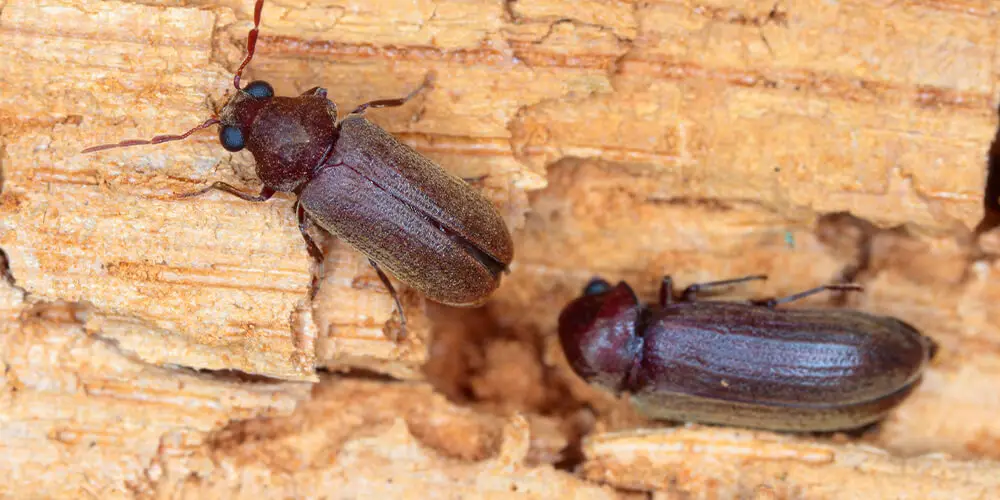
You might have bark beetles, wood-boring beetles, carpenter ants and termites that are in fact inside the wood and are inactive in the cold of winter. However, once inside, with the warmth and light, they wake up thinking spring is back.
Other insects that are not inside the firewood but show up clinging to the outside are sowbugs, millipedes, billbugs, ants, earwigs, centipedes, wasps, spiders, flies, cockroaches, ladybugs, etc. Most are a nuisance, but harmless.
Firewood storage tips for pest prevention
Simply bring in from the cold only the firewood you will burn over the next 24-48 hours before the insects start thinking it’s spring.
If you stack wood in a heated shelter, it is possible to apply diatomaceous earth (Wilson BED BUG OUT Bed Bug & Crawling Insect Killer Dust) in and around the logs. It contains natural diatomaceous earth, which is a powder made from fossilized algae and is safe to use. As soon as an insect encounters the dust, the powder is absorbed by its body moisture, and the insect dehydrates and dies.
Do not spray a chemical pesticide.
For more information, read: Bugs in firewood
Travel hitchhikers
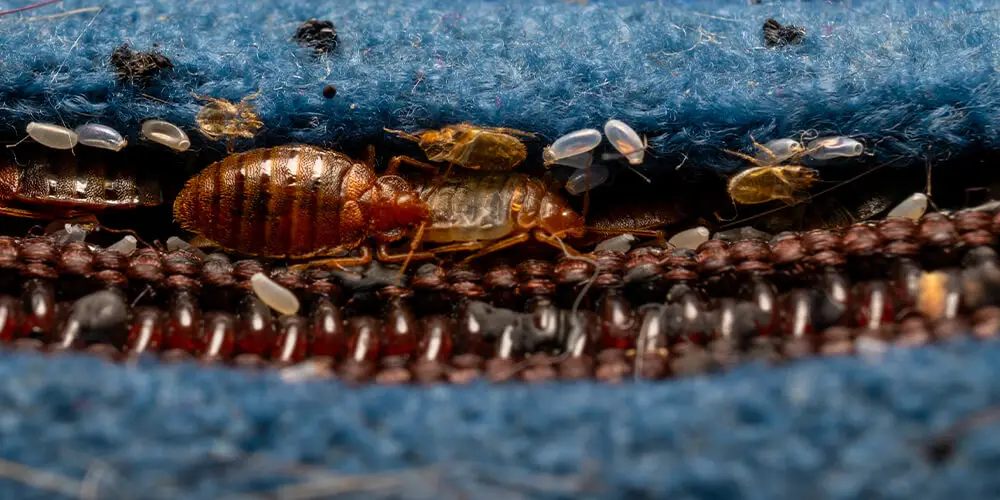
Bed bugs, fleas and lice can be found in virtually every place people tend to gather, including residences, hotels, schools, offices, retail stores and even public transportation. When you are away from home, these hitchhiking bugs will latch onto you and/or your backpacks, suitcases, clothes, boxes, shoes, etc. and move into your home.
How to prevent bringing bed bugs home when travelling?
To prevent these bugs from infesting your home, conduct a thorough inspection of your personal belongings upon your return.
Put your suitcase and the clothes inside, including the travelling clothes that you are wearing, on a smooth surface while inspecting. Put them in a sealed plastic bag until you can wash them. Wash these clothes and dry them at high temperatures to kill any hitchhiking bugs that made it back home with you.
Anything that can't be washed should be put in the dryer for 30 minutes. Dry clean the rest.
Christmas trees and wreath hitchhikers
When you take your Christmas tree or wreath indoors, you may also inadvertently be bringing in a quantity of visible or invisible insects. It is possible that you might find some of the following insects in your tree: aphids, mealybugs, beetles, spiders, moths, balsam woolly adelgids, balsam fir sawflies, praying mantises and mites.
Are Christmas trees spider-infested?
When choosing your tree, check the branches and trunk with a flashlight. This way, you can easily see if there are spiders, roaches or aphids. Leave your tree in the garage for at least 24 hours before taking it indoors. Shake your tree vigorously over a white bed sheet. You'll see if there are insects and/or eggs.
For more information, read: How to prevent the presence of insects in your Christmas tree
Camping hitchhikers
Most families don’t realize that they could have brought some of their campsite bugs home until days later. The insects hitch on your backpacks, tents, sleeping bags, coolers, bags with leftover food & condiments. Even your pet and car can be carriers. Look for ticks, chiggers, ants, spiders, earwigs and beetles.
How to avoid bugs after camping?
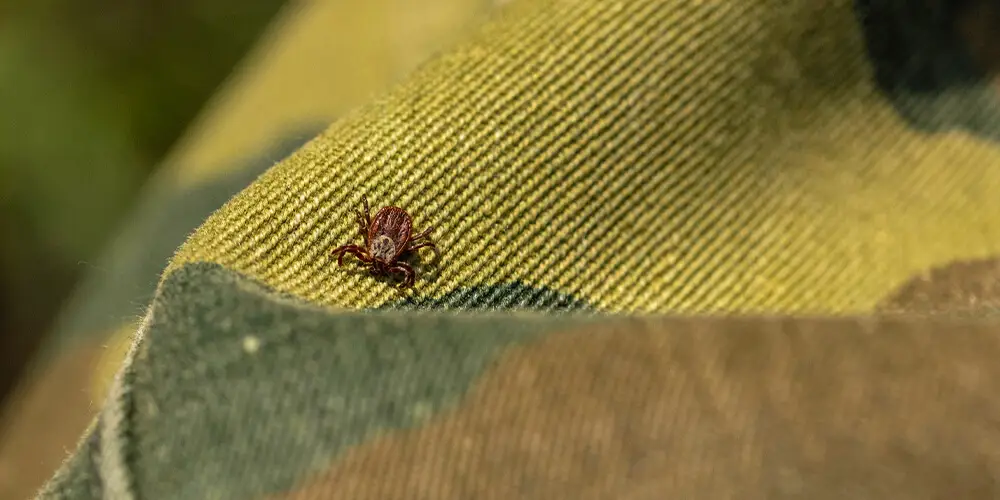
When you unload everything from your camping trip, inspect and shake out tents, sleeping bags and backpacks outside. Wipe down coolers, chairs and any outdoor gear. Unpack your clothes outside and throw them directly into the laundry tub.
Houseplant hitchhikers
Anytime that you introduce new plants to your home, you need to be aware that some uninvited guests may have come along, such as scale, mealybugs, aphids, whiteflies, spider mites, fungus gnats, thrips.
How to avoid hitchhiking pests in new plants?
Just inspect your new plant from every angle before bringing it inside. Applying a preventative insecticide such as Wilson BUG-X OUT or Green Earth Insecticidal Soap to each plant will safely keep many potential insects from entering your domain.
For more information, read: Insecticidal soap: the eco-friendly and effective solution to protect your home and garden
Mice hitchhikers
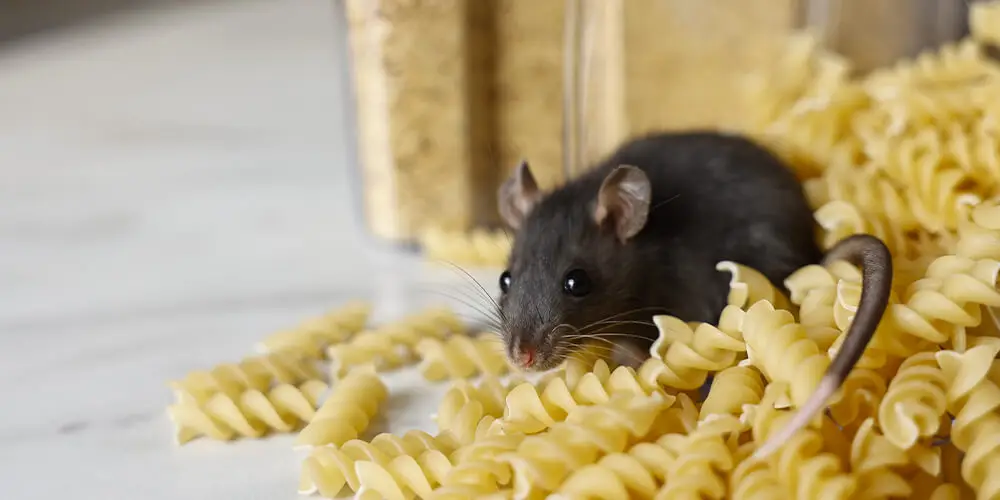
If mice are entering your home, be aware that aside from their unsanitary habits, they often bring hitchhiking ticks and fleas. It’s bad enough to have rodents in the house, you don’t need their bugs.
Prevention tip against mice and their bugs
Every fall, check the exterior of your house. Look for possible points of entry. Remember a mouse can squeeze through the tiniest of cracks. With their ability to chew on most surfaces, they can turn a slim crack into a bigger access to make their trips in and out easier.
All you need to know to protect your home is in this article.
Winter or summer, many pests can infiltrate your home… intentionally or not. Check the links below for information on bugs that are not hitchhikers but are looking for indoor accommodation.
