The first thing people think of when they realize that there are unwanted pests in their house is the possibility of property damage. But often overlooked is the threat that these uninvited pests pose to human health.
You need to look at the bigger picture: besides rodents and termites, there are lots of other unwanted visitors that might creep into your house. Ants, beetles, cockroaches, spiders, wasps, mites, fleas, ticks, bed bugs, pantry insects, flies, etc. While they usually don’t harm your structures, they can make a difference to your health, causing everything from bites and allergic reactions to the spread of diseases.
Health issues caused by the most common house pests
You already know that rodents usually chew on electrical wires, cables, pipes, insulation, drywall, wood structures, while termites or carpenter ants are known for gnawing through wood structures. No doubt, these pests will cause property damage, and there’s a strong incentive for you to eliminate house pests.
Indoor pests are more than just a nuisance; they can be a significant threat to your health. Although many bugs can injure you directly through bites or stings, other pests can have more indirect effects on your health. Some of these intruders, for instance, may leave behind body parts, saliva or feces that cause illnesses or allergic reactions. Others, such as ticks or mosquitoes, can bite you and transmit diseases with long-lasting effects. Understanding these risks is vital to ensure that you can take the necessary steps to safeguard your home and health.
What types of food contamination do pests cause?
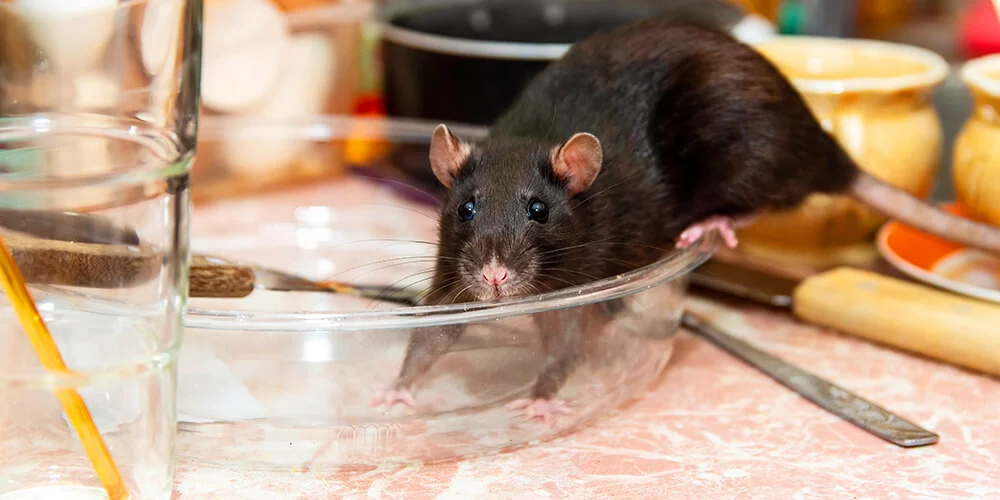
Rodents and insects pose a significant risk when it comes to food contamination. Diseases like salmonella and E. coli can spread because rodents easily contaminate food with their feet, carrying any bacteria from their travels as well as with their urine and feces. These bacteria can cause stomach cramps, diarrhea and vomiting, among other gastrointestinal problems, and can be particularly harmful to children and the elderly.
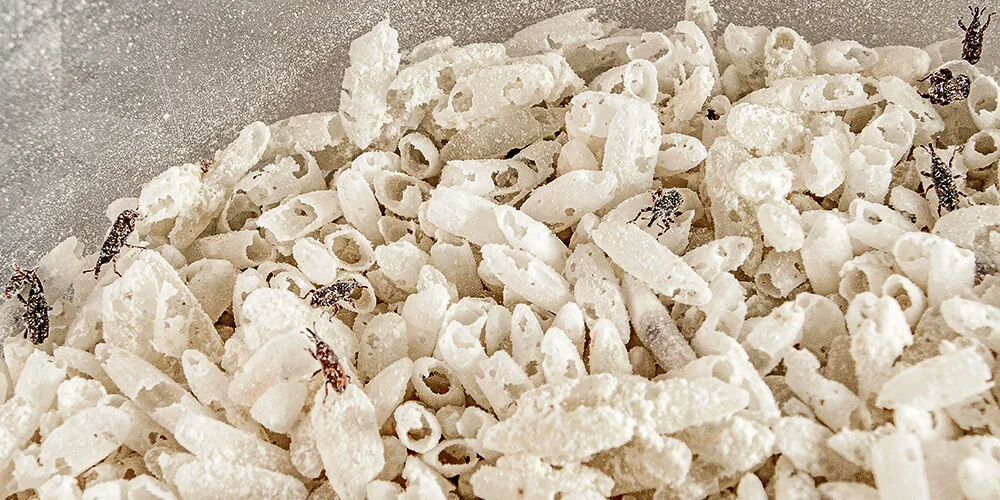
Many insects, particularly flies and cockroaches, are common carriers of foodborne pathogens. They can spread bacteria to your food from unhygienic sources such as garbage. For instance, many microorganisms that can cause food poisoning and other gastrointestinal disorders are known to be carried by flies. Pantry insects, such as rice weevils or flour beetles, contaminate your food at every stage of development with their bodies and their by-products.
Allergies and respiratory issues
We often don’t think of the most common and overlooked pest-related hidden health risk, which is the development of allergies and respiratory problems. The skin, saliva and feces of many pests, such as rodents, food beetles, ants and cockroaches, are left behind throughout their daily wanderings. Some of these particles are microscopic and can become airborne, settling in the home and triggering allergic reactions in sensitive individuals.
Some of the main instigators of asthma and indoor allergies are cockroaches, carpet beetles and dust mites. They produce allergens that can cause respiratory problems like coughing, wheezing and difficulty breathing. Anyone with pre-existing respiratory problems and children are especially vulnerable to these effects.
Allergic reactions can also be caused by mice and rats. Their feces and urine contain proteins that act as allergens, causing sneezing, asthma symptoms and other allergic reactions.
Rodents, insects and diseases
While allergies and respiratory issues are common health concerns, the most severe pest-related health risks are the diseases pests can spread. Many rodents and insects carry pathogens that can be transmitted to humans, leading to serious illnesses. Mosquitoes, in particular, are responsible for spreading deadly diseases. Numerous rodents and insects are carriers of bacteria or viruses that can cause severe illnesses in humans.
In Canada, among insects that carry disease, mosquito bites can spread the West Nile virus. People who are bitten by an infected mosquito may get flu-like symptoms that usually last about a week. However, some people infected with West Nile virus can be at risk of developing more severe symptoms and health effects. Adults 50 years or older and those with underlying conditions or weaker immune systems, however, are at greater risk of developing severe symptoms.
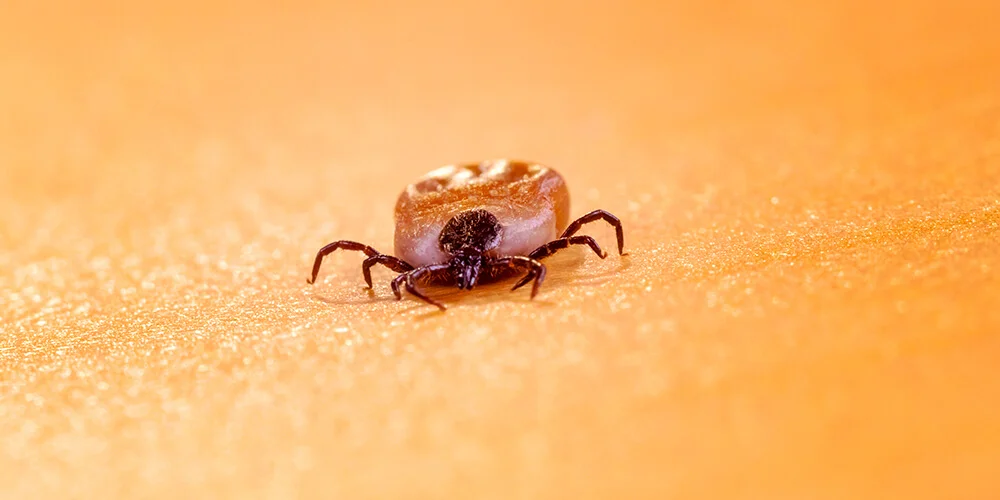
Black-legged ticks transmit Lyme disease. Different ticks transmit Rocky Mountain spotted fever. These pests are becoming more numerous and expanding their range because of climate change. If detected early, the diseases can be efficiently treated, but they can cause severe symptoms. Ticks find their way into your home as hitchhikers on humans and pets.
Rodents can transmit disease. For instance, hantavirus is spread by rodent droppings. If these are disturbed, the virus can spread via the air and be inhaled, leading to respiratory illnesses. Likewise, leptospirosis, a bacterial infection that can harm the kidneys, liver and other organs, can be carried by rodents.
Bed bugs and fleas: more than skin irritations
Bed bugs are another pest-related health hazard that should not be underestimated. They feed on blood and often leave behind itchy, red welts on the skin. Bed bug infestations can cause a range of health issues, including skin irritation, allergic reactions and psychological distress.
Bed bug bites can be extremely uncomfortable and irritating, even though they are not known to transmit any diseases. The proteins in bed bug saliva can occasionally cause allergic reactions in people, which can lead to more serious skin symptoms. Just the fact that bed bugs are hiding out of sight during the day and coming out at night raises anxiety levels and causes sleep problems, which can have negative effects on one’s mental health.
Fleas in a home can cause itchy rashes from bites and allergic reactions, and can transmit germs that cause disease primarily through the process of feeding on hosts or through fecal contamination when infected flea feces are scratched into an open wound.
Prevention first in pest and disease control
First line of defence: make your house less desirable to rodents and insects.
- Control entry points: Most insects and rodents sneak in through tiny gaps in your house. Make sure that windows, doors and vents are properly sealed to prevent them from entering your home. Inspect the outside of your house for possible entry points and seal them with silicone or expanding foam.
- Hitchhikers: Some insects come in as hitchhikers on fresh produce, grains, pet food, new houseplants, firewood and even pets. You need to be alert for hitchhikers.
- Keep things clean: Most pests are attracted to food scraps, spills, green waste and garbage. Make your house less appealing to pests. Clean it regularly, paying particular attention to the kitchen and eating areas.
- Garbage management: Keep kitchen garbage and green waste bins tightly sealed. Don’t let them pile up. Take them out regularly to avoid attracting rodents and insects.
- Limit water sources: All household pests need water to survive. Moisture attracts pests. Repair leaking pipes and faucets. Empty pet water bowls overnight. Your pets are sleeping at night, but the pests aren’t!
- Inspect your home: Regularly inspect your home for signs of pests, including droppings, nests and damage to food containers. From time to time, check behind appliances, under sinks and counters, and in basements and attics.
Eliminate house pests
The next line of defence: evict the intruders. There are many strategies for getting rid of unwanted insects and rodents. Wilson has an extensive line of traps, deterrents and pest sprays to control what is not wanted.
WILSON® CRAWL OUT™
Apply CRAWL OUT™ to thoroughly treat indoor building surfaces and hard-to-reach places, including cracks and crevices in walls, floors and ceilings; along and behind baseboards; around water pipes and tanks; walls behind and floors beneath appliances (e.g., refrigerators and stoves) and furniture (e.g., shelves, drawers, cabinets and storage units); around sinks, drains and pipes; around interior foundations; garbage cans; localized areas of floors and floor coverings; and points of entry (e.g., around windows and doors).
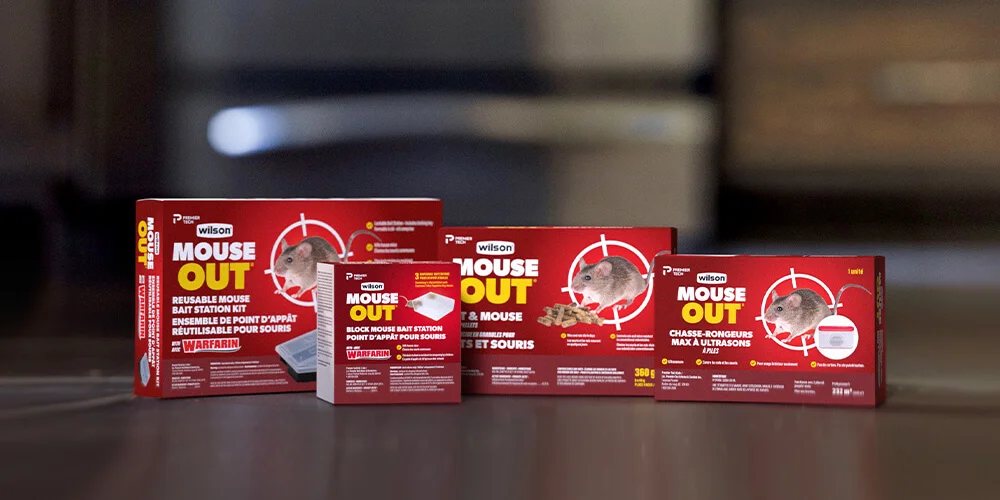
WILSON® MOUSE OUT™ traps, sonic repellers and bait stations
Place mechanical traps, sonic repellers and/or bait stations in locations where mice travel and will most likely find and consume the bait. Place along walls, by gnawed openings, in corners and concealed places, between floors or walls, or in locations where house mice or their signs have been seen.
If you have an out-of-control infestation, don’t hesitate to seek professional pest control services to ensure that your home remains a safe haven free from the dangers pests can bring.