
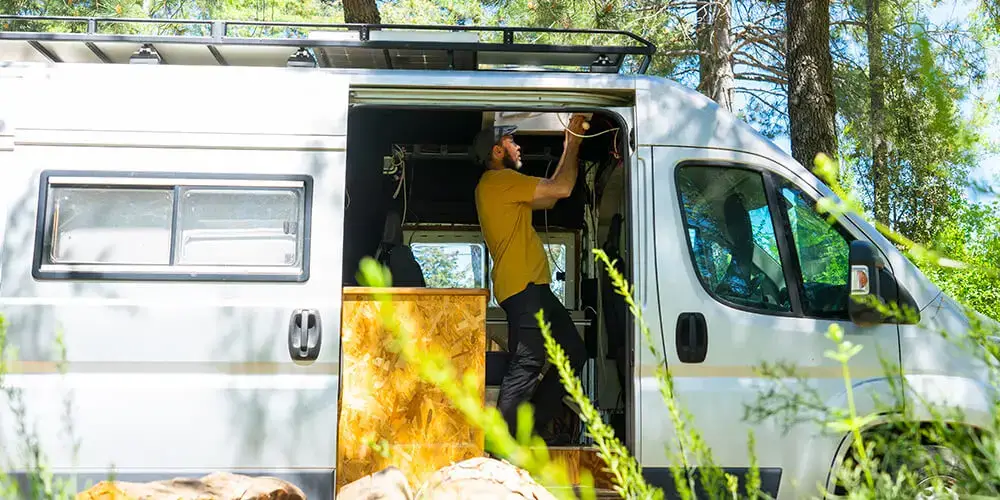
For some RV owners, the return of spring brings some unpleasant surprises. After several months of winter storage, opening their RV in the spring can quickly turn into a nightmare: mouse nests in the cushions, chewed electrical wires and gnawed fabrics, ant colonies crisscrossing floors, walls and ceilings, and persistent odours that are difficult to eliminate.
Many unwanted guests take advantage of the months of inactivity to settle into a cozy shelter, causing costly damage and health risks. Fortunately, with proper maintenance practices in the fall, it's possible to find your RV in the same condition as when you left it.
What attracts rodents to RVs?
Various pests are looking for a safe and warm place to spend the winter. In fact, the same opportunists that try to break into our homes in the fall will be tempted by an RV that has been unoccupied for many months… and perhaps even longer.
Unused for 6 to 8 months a year, your RV is a perfect opportunity for these pests, who find a peaceful shelter there, isolated from predators, filled with soft insulation for building their nests, and often containing a few forgotten food scraps.
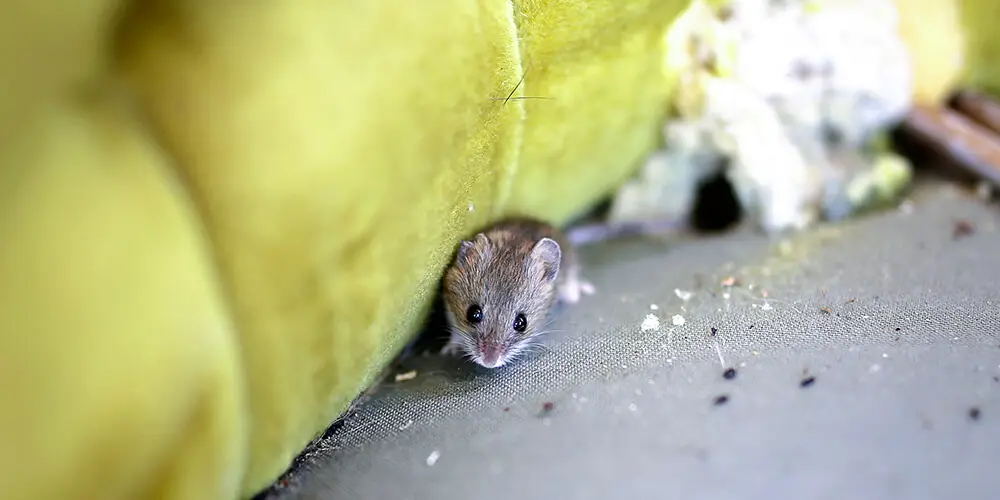
Here are the 6 main attractions your RV offers.
1. A guaranteed source of heat
RVs are insulated to stay cooler in the summer, allowing for an earlier start to the season and a later end. When the temperature drops and they're no longer in use, their insulated interiors remain more comfortable than any unheated shelter. Not to mention that heated garages or stored RVs can be infested with rats and mice… and voles that have taken refuge in one of the RVs might suddenly find yours more appealing.
2. Plenty of nesting materials
Insulating materials like expanding foam and mineral wool are perfect nesting materials for mice and rats: fabrics and stuffing from seats, mattresses and cushions. Easy to gnaw and move, and especially accessible in an unoccupied RV, rodents will make short work of them. In fact, even books, instruction manuals and toilet paper rolls or paper towels are appealing.
3. Numerous entry points
An RV has a multitude of small openings that are often overlooked: electrical wire and pipe passages, worn or poorly fitted door and window seals, air vents, spaces under storage compartments, stabilizer anchor holes.
4. Persistent food odours
Even after a thorough cleaning, stubborn food residue can persist in an RV: crumbs at the back of a cupboard or between the cushions, grease stains on the side of the stove or on the BBQ grates. That's all it takes to attract the attention of rodents, whose sense of smell is highly developed.
5. A dark and quiet environment
Few people visit their RVs during the winter. This lack of activity allows pests to settle in and reproduce undisturbed. Entering an RV in winter is generally not recommended, as forcing open a frozen mechanism can cause damage. Also, leaving the door open too long allows moisture to enter and can cause a thermal shock that may damage the structure.
6. Moisture, a paradise for insects
A poorly ventilated RV accumulates residual moisture, creating an environment conducive to the establishment of numerous insects such as cockroaches, sowbugs, silverfish and ants. Humidity also promotes mould growth, which in turn attracts even more insects.
How to prevent rodents in RVs
Several rodents are looking for a place to spend the winter. Those most likely to be interested are deer mice, common in wooded areas and capable of transmitting hantavirus; white-footed mice and voles, which are very active in the fall; and brown rats, very common in urban areas and which take advantage of extended stops to enter RVs. Less frequently, martens can also cause significant damage.
Here's how to avoid rodent problems.
Eliminate all sources of food
- Empty and clean the pantry, refrigerator, oven, toaster, BBQ, etc.
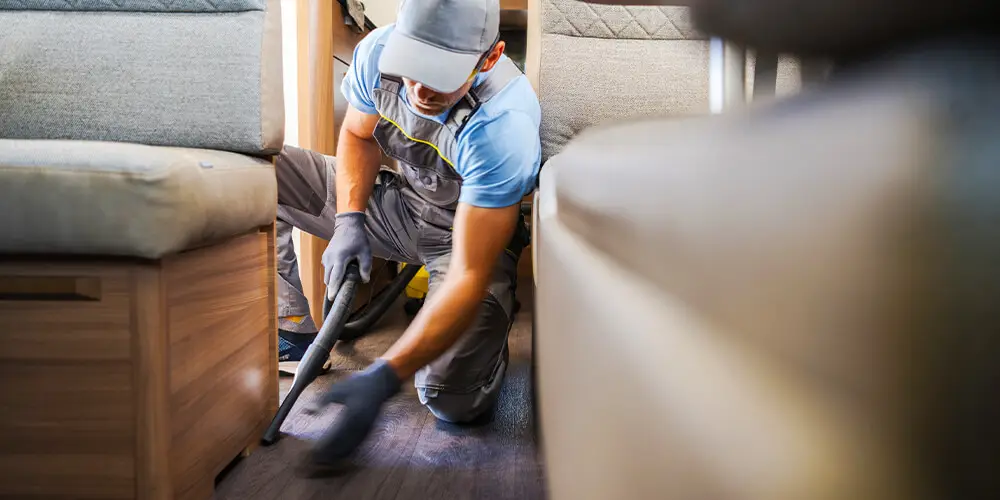
- Vacuum everywhere (it's preferable to a broom!) on the floors, on and between the seat cushions, etc.
- Thoroughly wash the utensil drawers and the shelves where you store dishes.
Inspect and seal all potential entry points
- Electrical cable passages (12V, 30A/50A hookup) in the body
- Plumbing pipe passages (cold water, hot water, wastewater)
- Battery compartment cover seal
- Gaps between propane tank bellows and body
- Worn door and window seals
- Refrigerator and heater vents
- Storage compartments
Remember that most rodents can squeeze through a 6-mm opening, roughly the size of a dime.
Use steel wool (rodents can't chew through it) to seal cable and pipe passages. Secure with expanding foam sealant. Cover air vents with rodent-proof netting (such as Critter Guard). Use exterior acrylic caulk to seal small cracks in the body.
Use an ultrasonic repeller
MOUSE OUT Rodent Sonic-Repel Max: deter intruders with a battery-operated ultrasonic wave generator that repels mice and rats. To ensure the product's effectiveness, make sure there are no obstructions by placing it in the centre of the vehicle and not in cabinets, under seats, in storage compartments, etc.
Note: It is often said that putting several dryer sheets in an RV helps to prevent rodents, but according to experts, the effectiveness of this practice has not been proven.
Install protective products
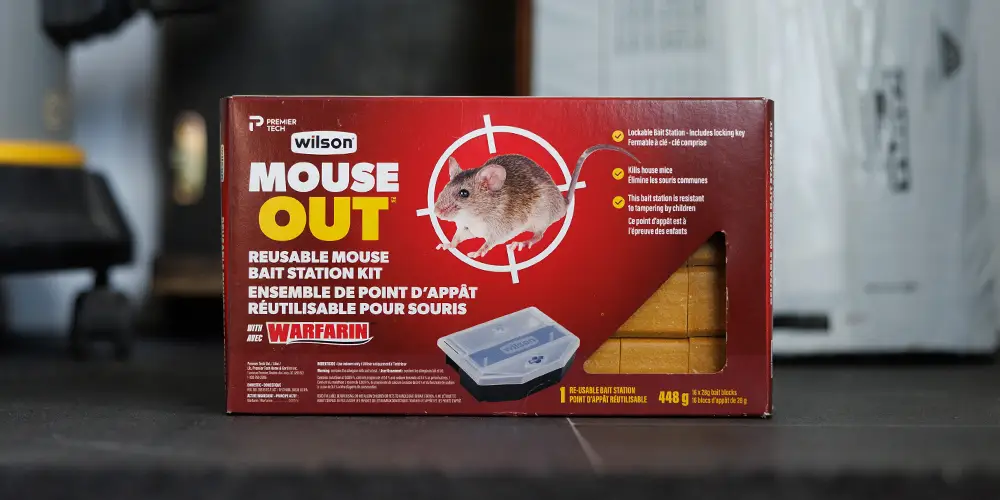
- MOUSE OUT Bait Stations: a proven and reusable solution for detecting the presence of rodents before winterizing. Place 4 to 6 of them inside the RV in strategic locations (under the sink, in the pantry, etc.).
- MOUSE OUT Killer Pellets: organic, eco-friendly and safe for children and pets, this product eliminates multiple rodents quickly through dehydration. Thanks to its rapid mummification process, it prevents the odour of decomposing rodents, allowing for extended use throughout the storage period. (Use even if bait stations have not detected the presence of rodents.)
How to prevent insects in RVs in winter
Whether you used your RV frequently or not during the warmer months, several insects may have tried to get in. Some do so without even trying to hide. This is the case for ants, spiders and centipedes. Others will remain hidden all day, like cockroaches and silverfish. Finally, some are difficult to detect until you get bitten. And yes, it is unfortunately possible to bring ticks or bed bugs into an RV.
A known infestation should be addressed before putting your RV into storage. Then, it's a matter of minimizing the risk of undetected or future intrusions and infestations. Like rodents, some insects try to enter RVs in the fall to spend the winter. In search of warmth and food, these pests are also attracted by the often persistent humidity in RVs.
Here are 6 ways to prevent intrusions:
- Eliminate attractants: Empty and clean the pantry, garbage cans, sink drains and anywhere food, even packaged food, has been stored. Clean the oven, microwave, BBQ, toaster and any other cooking equipment.
- Eliminate all potential entry points (see previous section).
- Treat at-risk areas: apply CRAWL OUT and ANT OUT in crevices, the pantry, around doors and windows to eliminate existing insects and prevent intrusions.
- Install CRAWL OUT Crawling Insect Traps in areas where insects are usually seen.
- Install ANT OUT Ant Traps to eliminate all ants present in 3 to 7 days.
- Reduce humidity levels: Ensure good ventilation during the season, empty pipes, remove bedding, rugs, cushions and even mattresses if you can store them elsewhere. Use absorbent products (calcium chloride containers like DampRid) or dehumidifying bags designed for small spaces (moisture-absorbing gel).
Insects to watch out for in RVs
Ants in RVs
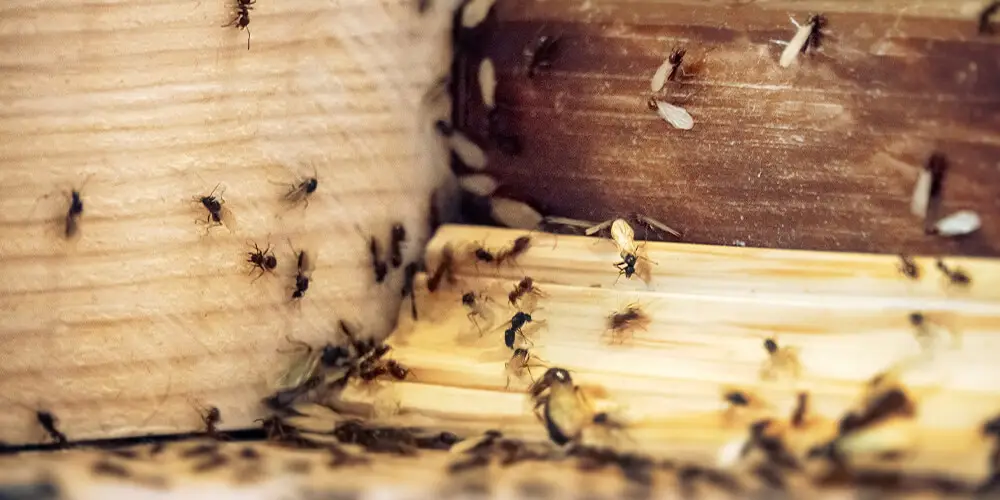
In Canada, the most common ants found in RVs are the black ant, the pharaoh ant and the carpenter ant. Very common in campgrounds, the black ant is attracted to sugars and food. The pharaoh ant is most often found in RVs that have been stored in heated warehouses during the winter.
The carpenter ant is the most destructive. Attracted to damp wood, it burrows tunnels to establish its colony. It requires the services of an exterminator, as over-the-counter products are ineffective against it. Also, be aware that its presence indicates a more serious problem that should be addressed quickly to prevent rot, mould and further deterioration of your RV.
Bed bugs
Bed bugs travel easily. They enter undetected and are often detected too late. Here's how:
- Luggage placed on infested camping beds
- Sheets and blankets provided in rented cabins and ready-to-camp units
- Second-hand furniture, clothing or accessories
- Clothing after a stay in a motel/bed & breakfast
Procedure to follow if you notice a mouse infestation in the spring
- Wear an N95 mask and gloves before entering the RV due to the risk of hantavirus transmission through deer mouse droppings.
- Ventilate thoroughly (open doors and windows) for 30 minutes before entering.
- Soak the droppings and nests with a disinfectant solution (Lysol) and let it sit for 5 minutes (never dry clean or vacuum up rodent droppings).
- Collect the waste with paper towels in a double bag, then seal tightly.
- Clean all contact surfaces with a disinfectant solution.
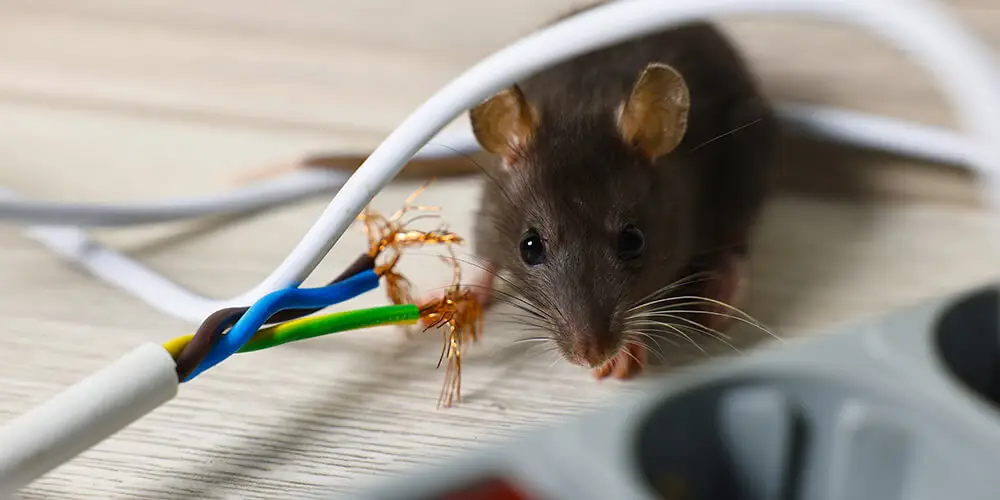
- Check the condition of all electrical wiring and hoses.
Pest-free winterizing: the complete list
- Remove all food (even canned goods can attract rodents).
- Empty and clean the refrigerator, then leave the door slightly open.
- Close and block all possible entry points.
- Place 4 to 6 MOUSE OUT Mouse Traps inside.
- Place ANT OUT Ant Traps inside.
- Place CRAWL OUT Crawling Insect Traps inside.
- Place Wilson granular rodenticides inside.
- Place mothballs under the RV and in the exterior compartments.
- Remove sources of moisture: take out all bedding, towels, rugs and food.
- Use moisture absorbers: place containers of calcium chloride (such as DampRid) or dehumidifying packets inside.
- Cover exterior air vents with fine mesh (window screen + steel wool).
- Check the condition of the RV every 4 to 6 weeks during the winter.
Are all these precautions really necessary?
While a few spiders or ants are tolerable during the season, mouse infestations remain the number one problem for RV owners across the country. Health risks, equipment replacement, fire hazards and significant costs, not to mention the inconvenience… These are all reasons to take action in the fall to prevent an infestation.
The various MOUSE OUT, RAT OUT and CRAWL OUT solutions help prevent both intrusions and infestations. A few quick actions can save you a lot of trouble the following spring.
And because houses and RVs aren't the only places that attract pests, learn how to protect your shed and cottage with the right products and the best advice.
